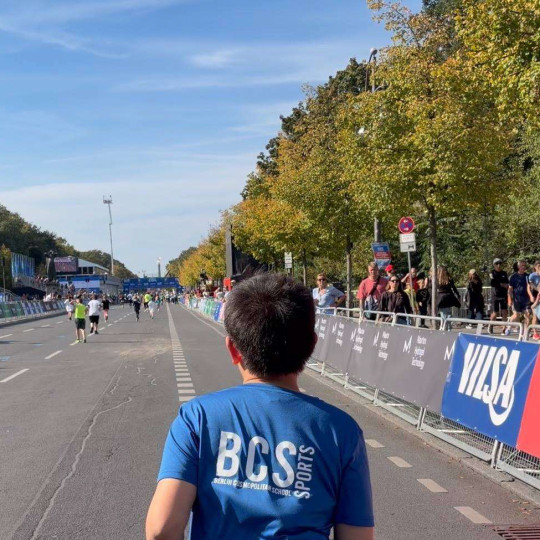
mini-MARATHON Berlin: 4.2 km, 1 Finish Line and More Than 60 Champions
More than 60 BCS students took on the 4.2 km mini-MARATHON Berlin, showing perseverance, team spirit, and a true growth mindset.
Read onDiscover the Digital News Archive, celebrating the milestones and stories that define Berlin Cosmopolitan School. Explore our journey, honor our legacy and be inspired for the future!
More than 60 BCS students took on the 4.2 km mini-MARATHON Berlin, showing perseverance, team spirit, and a true growth mindset.
Read on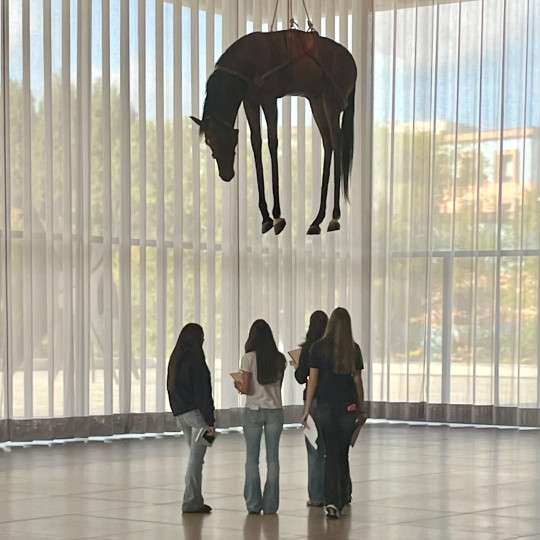
Our Grade 11 Abitur art students visited Maurizio Cattelan’s exhibition “NIGHT” at the Neue Nationalgalerie, bringing their current study of conceptual art directly into the ...
Read on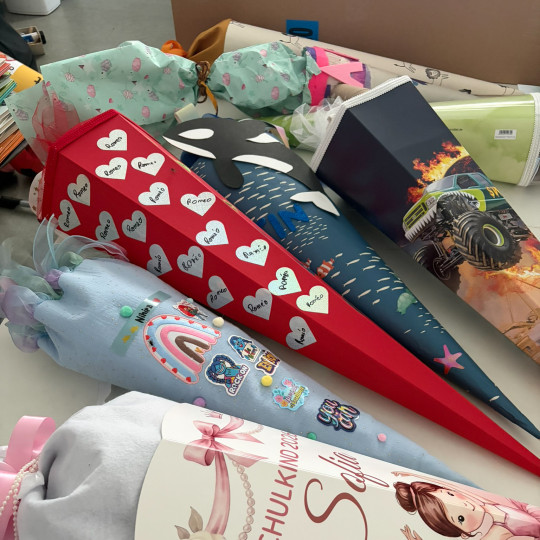
Across two campuses, BCS welcomed 60 new first graders into the school community with three joyful enrolment ceremonies.
Read on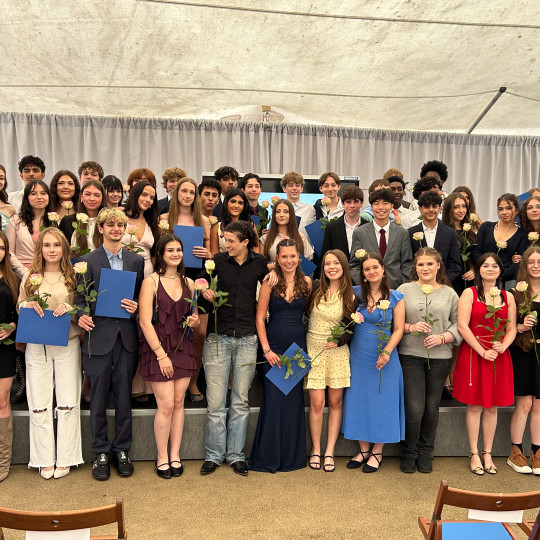
BCS Grade 10 students celebrated their graduation with personal speeches, music, an emotional retrospective and an exhibition of their media-supported project work.
Read on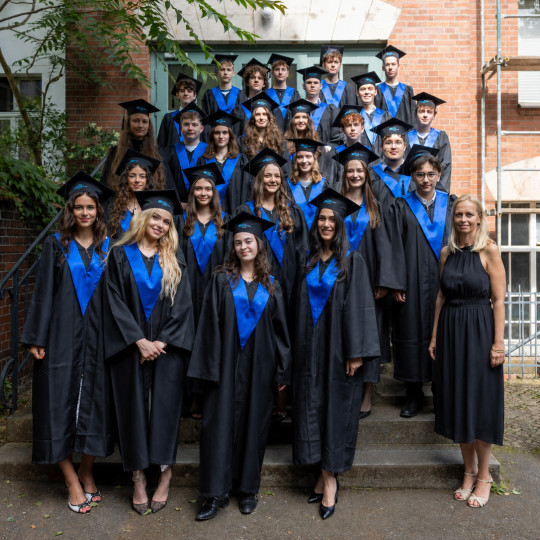
Berlin Cosmopolitan School celebrates outstanding graduation results: seven students achieved a perfect 1.0 Abitur grade, and one IBDP graduate earned 44 out of 45 points.
Read on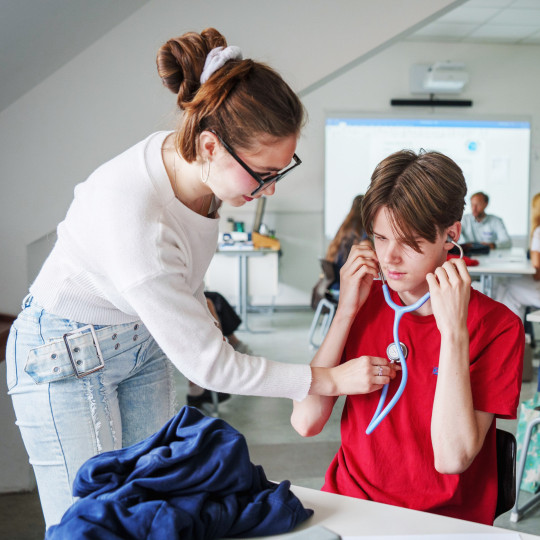
At Career Day 2026, BCS students gained valuable insights into different career paths and personal perspectives for the future.
Read on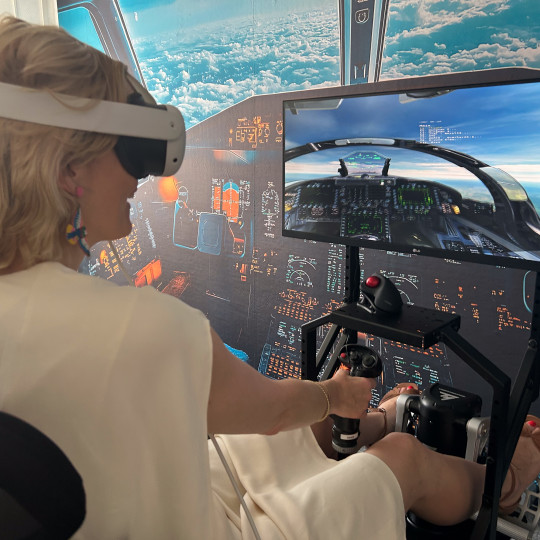
With its new Virtual Flight Lab, Berlin Cosmopolitan School opens a learning space where aviation, technology, and future-focused education become tangible.
Read on
Receiving the award for the second time shows how deeply sustainable learning is embedded in everyday life at BCS.
Read on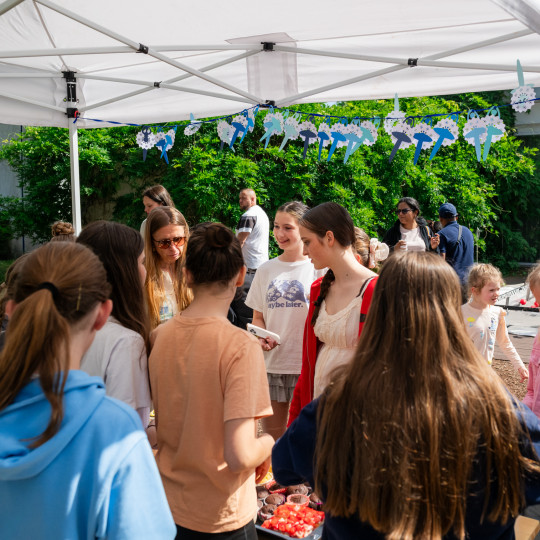
The BCS Summer Show 2026 brought the school community together to celebrate creativity, diversity, and resilience at the Nature Campus.
Read on
The Grade 7 French project showed how language learning becomes most meaningful when imagination, creativity, and real-life situations come together.
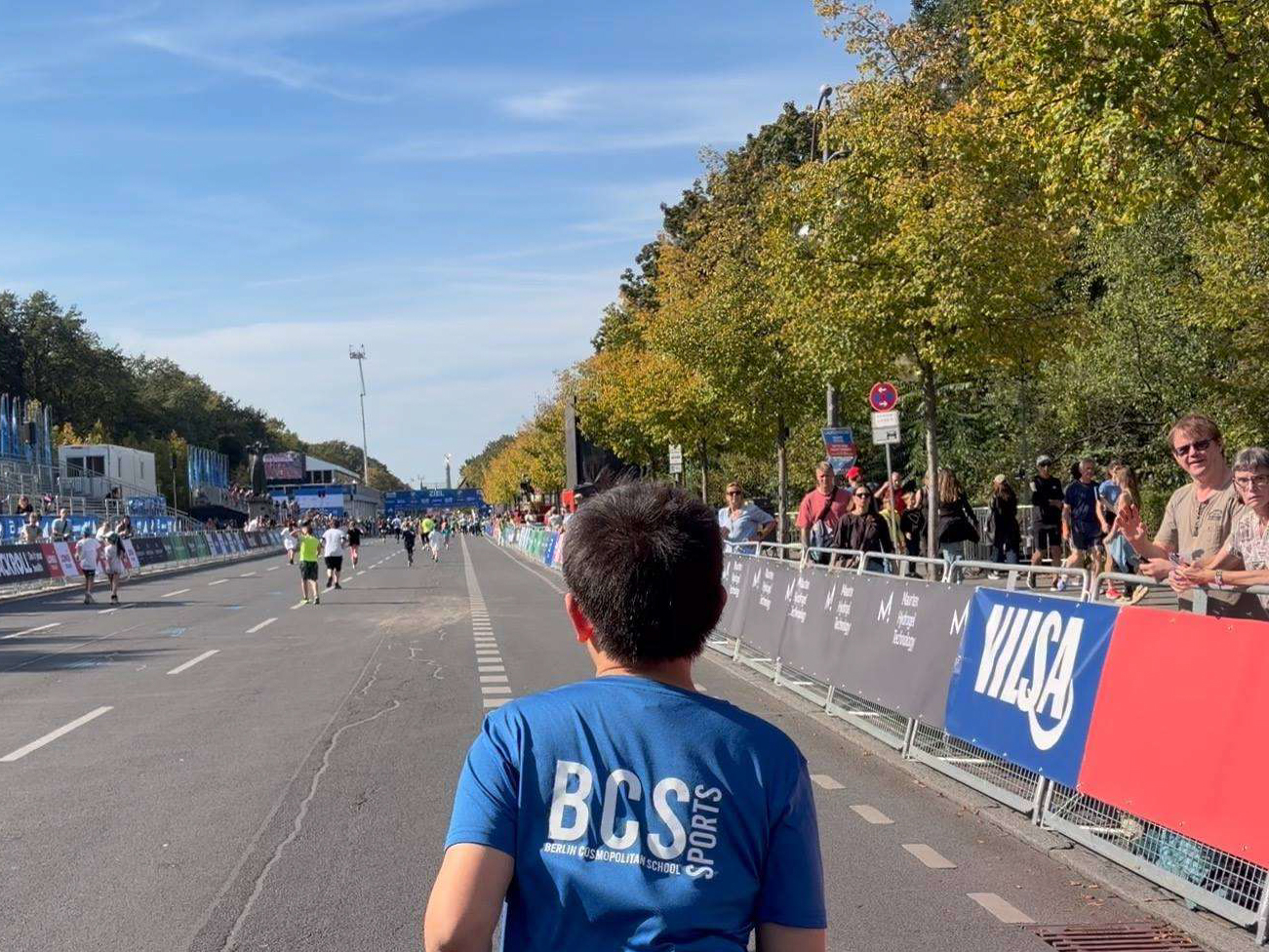
Read onOn Saturday, 26 September 2026, over 60 BCS students took to the streets of central Berlin for the annual mini-MARATHON, joining thousands of young runners from schools across Berlin and Brandenburg. Primary was represented by Grades 3 to 6, Secondary by Grades 7 and 8, accompanied by Mr. Eimermacher and Mr. Hoballah.
The course: 4.2 km, through Potsdamer Platz and finishing behind the Brandenburg Gate.
An event like this shows pretty well what learning at BCS is all about: taking part with your mind, your body and alongside others. Standing at the start, feeling the excitement, finding your own pace and keeping going even when it gets tough. That is where what we call a “growth mindset” comes from: “I can’t do this YET” may sound similar to “I can’t do this”, but it is something entirely different. Perseverance matters on the last kilometres of a run just as much as on a tricky maths problem, a new language or a first presentation in front of the whole class.
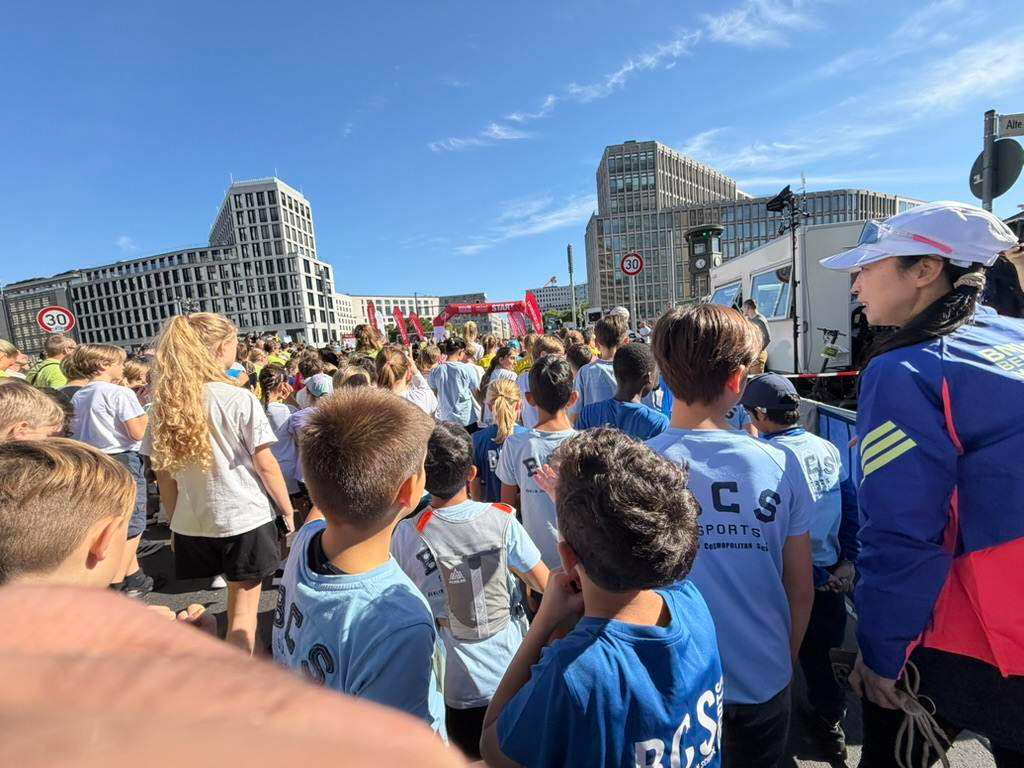
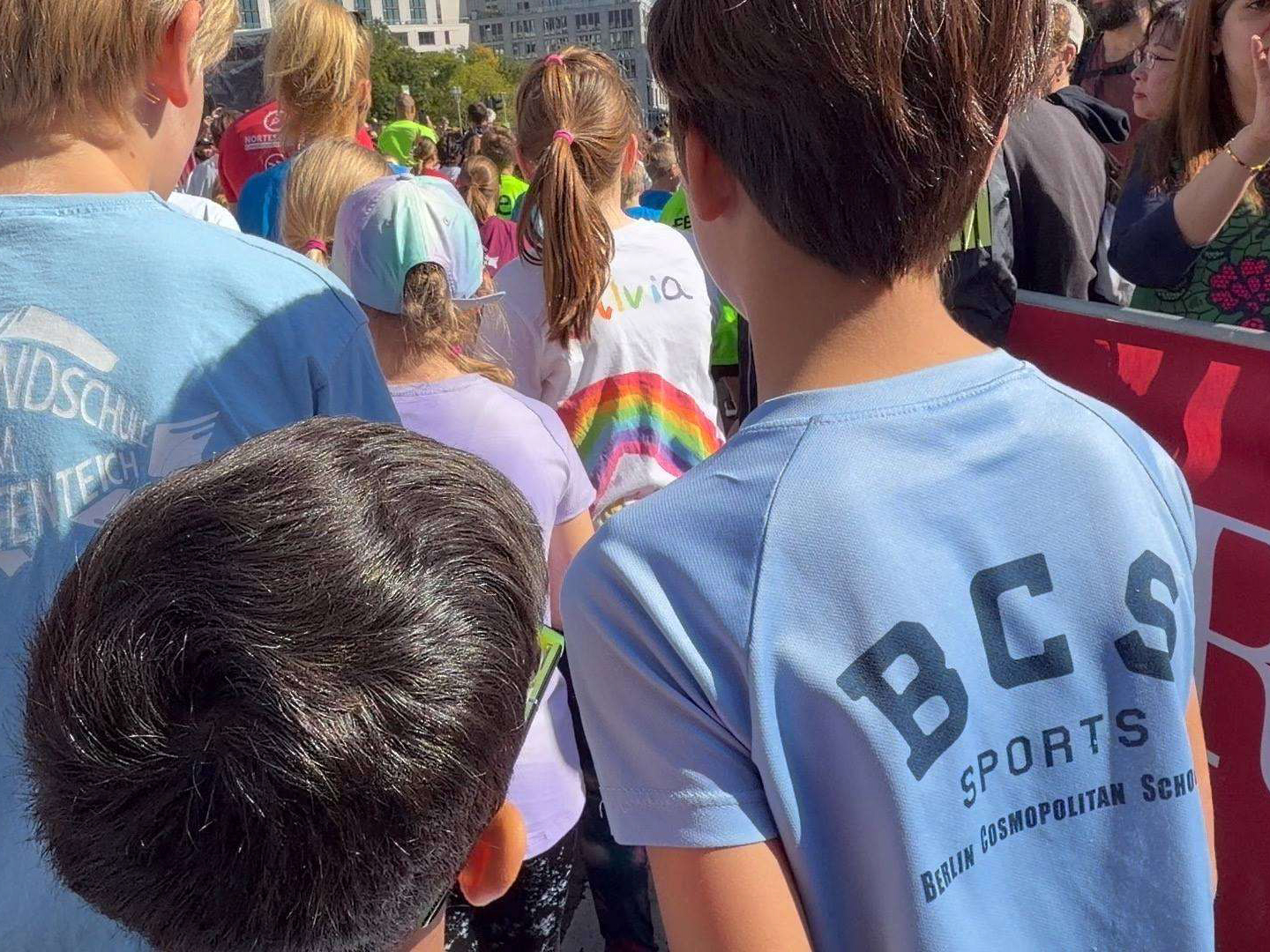
At BCS, the two go hand in hand: children can do their best and still celebrate the successes of others. Success doesn’t only mean being faster than last time. It can also mean lining up at the start despite being nervous, cheering on your team, or having the courage to take part for the first time.
Congratulations to all our runners, and a big thank you to Mr. Eimermacher and Mr. Hoballah, who carried the team through the day with enthusiasm, grit and team spirit.
The mini-MARATHON takes place every year, so the 4.2 km are back on the calendar for 2027. We hope seeing our runners in action inspires even more students to take on the challenge. And if you’re kicking yourself for missing it: there are plenty of chances to train in PE class.

For the most important information about our application process, please click here. You can also register directly