AI in Schools: Taking Responsibility Instead of Waiting
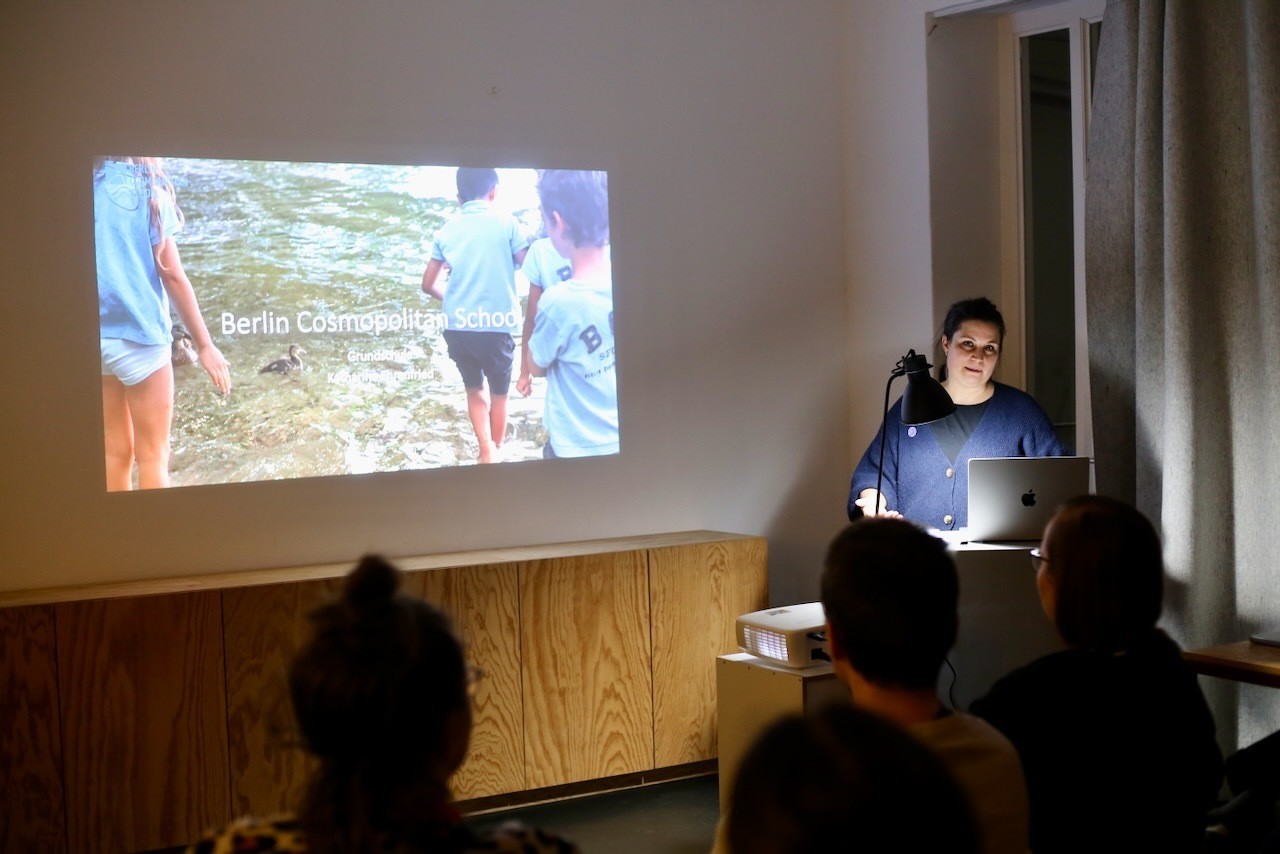
At an event hosted by Novamondo, a central question about the future of education took center stage: How can schools shape Artificial Intelligence in a way that strengthens learning without losing sight of the human being?
In her keynote, Katharina Ehrenfried, Head of Primary School at Berlin Cosmopolitan School, made it clear that AI is already part of children’s and adolescents’ everyday lives. Education, therefore, must not merely react — it must take responsibility.
From the perspective of Berlin Cosmopolitan School, this is not a matter of “either-or,” but of conscious pedagogical design. AI is already transforming learning processes, assessment formats, and role models within schools. What matters is how we accompany and guide this transformation. Ehrenfried emphasized that while knowledge is available at any time, real competence emerges where students learn to think critically, contextualize information, and exercise responsible judgment.
Another key focus was the evolving role of teachers. Technology can personalize learning content, analyze progress, and simplify processes. However, guidance, values, and ethical reflection remain deeply human responsibilities. Teachers are therefore more than ever mentors, facilitators, and designers of meaningful learning environments.
The connection to the pedagogical philosophy of Berlin Cosmopolitan School became particularly evident in its guiding principle: “Balance Green and Screen Time.” AI is not viewed as an end in itself, but as a tool embedded in an educational concept that values digital competencies just as much as nature-based learning, community, and personal interaction. Consciously structured screen time requires consciously structured time in nature. Technology can individualize — community and nature humanize.
In the exchange with experts from business and academia, one insight became especially clear: the true challenge lies not in the technology itself, but in responsibility. Schools shape educational biographies — whether they actively design the integration of AI or not. The question is therefore not whether AI will enter schools, but under which ethical, pedagogical, and societal guiding principles it will do so.
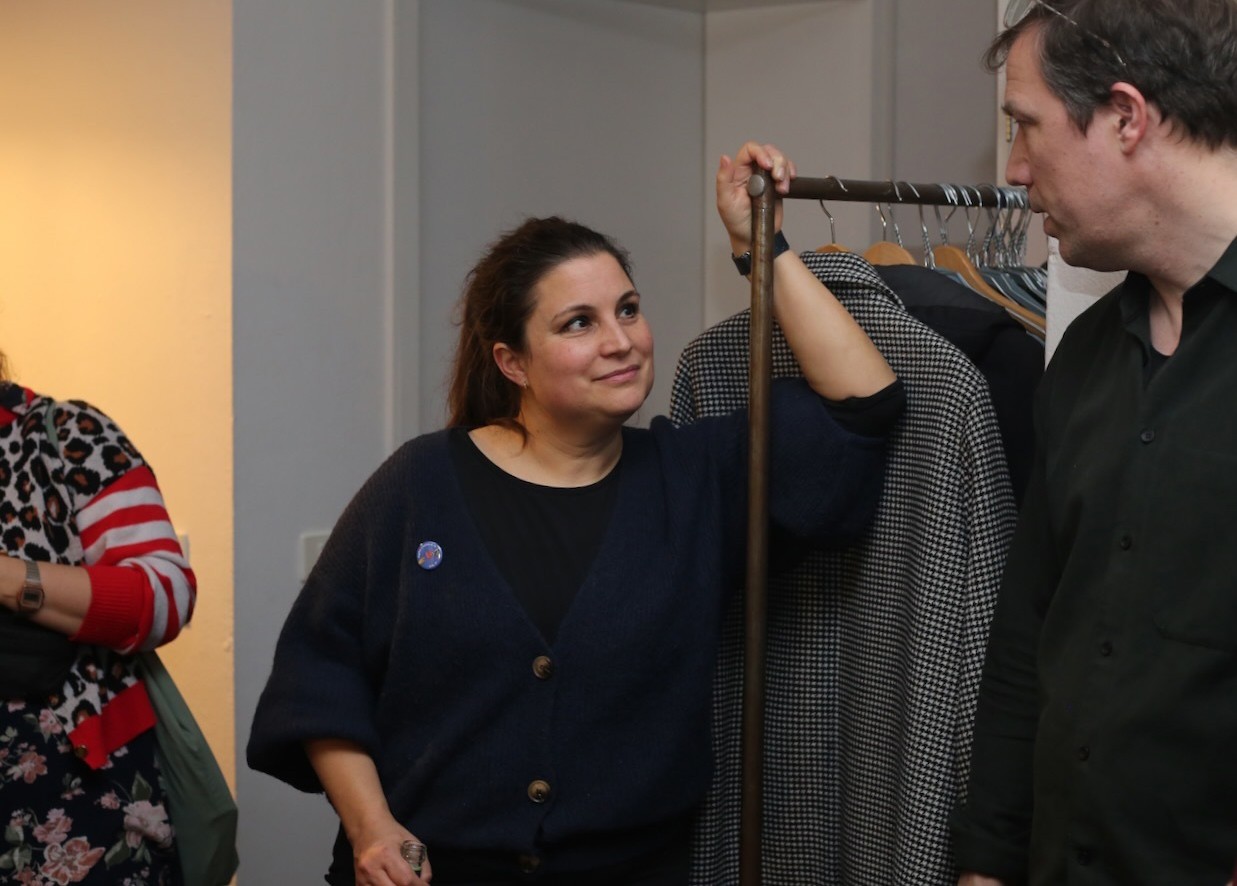
The evening at Novamondo vividly demonstrated what Berlin Cosmopolitan School stands for: less fear of new technologies, more willingness to shape them. Less control, more competence. And above all, a clear conviction that the future of education lies neither in prohibition nor in uncritical enthusiasm, but in reflective leadership.