How Music and Art Shape Global Citizens at Berlin Cosmopolitan School
What does education sound like?
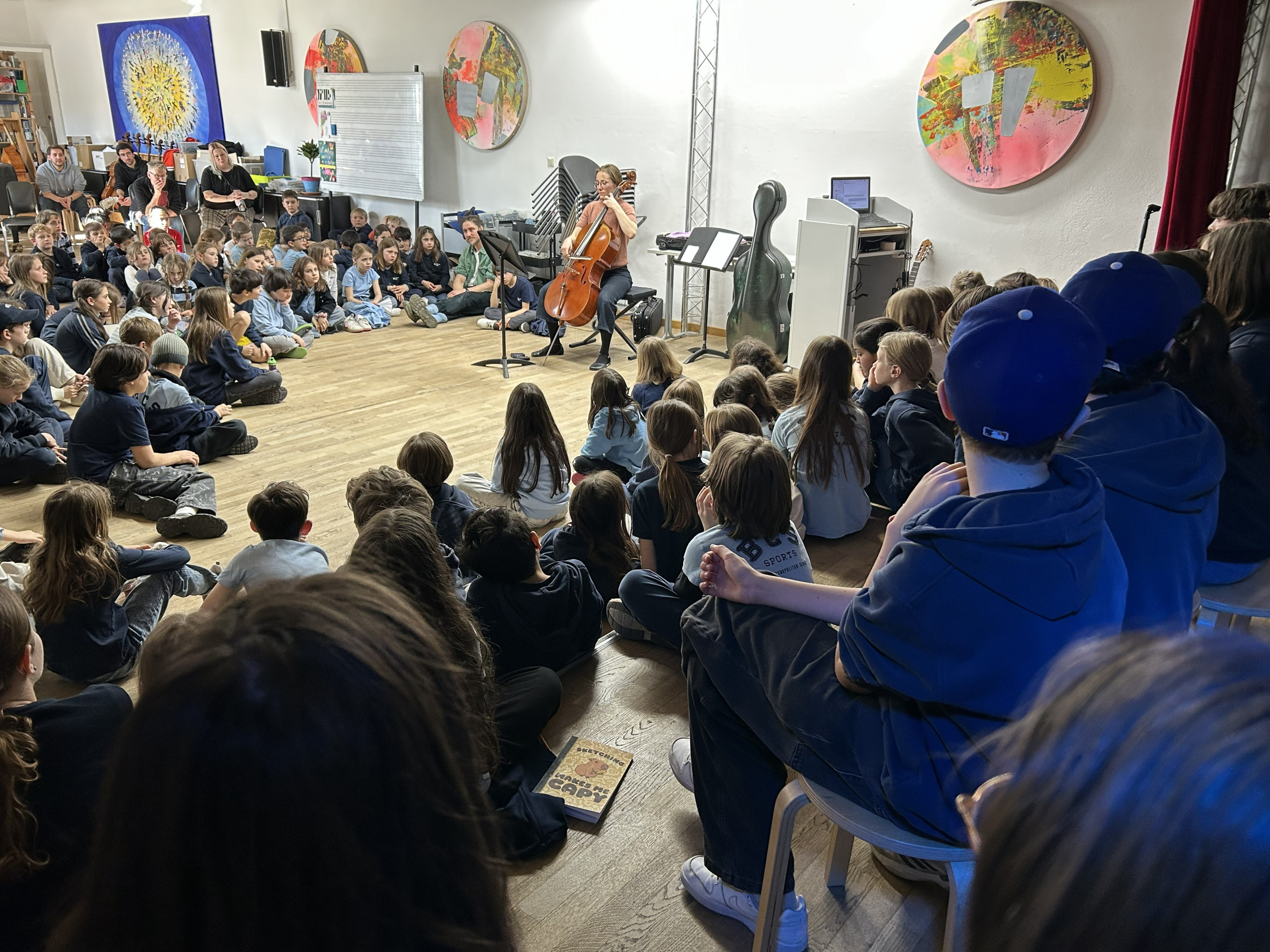
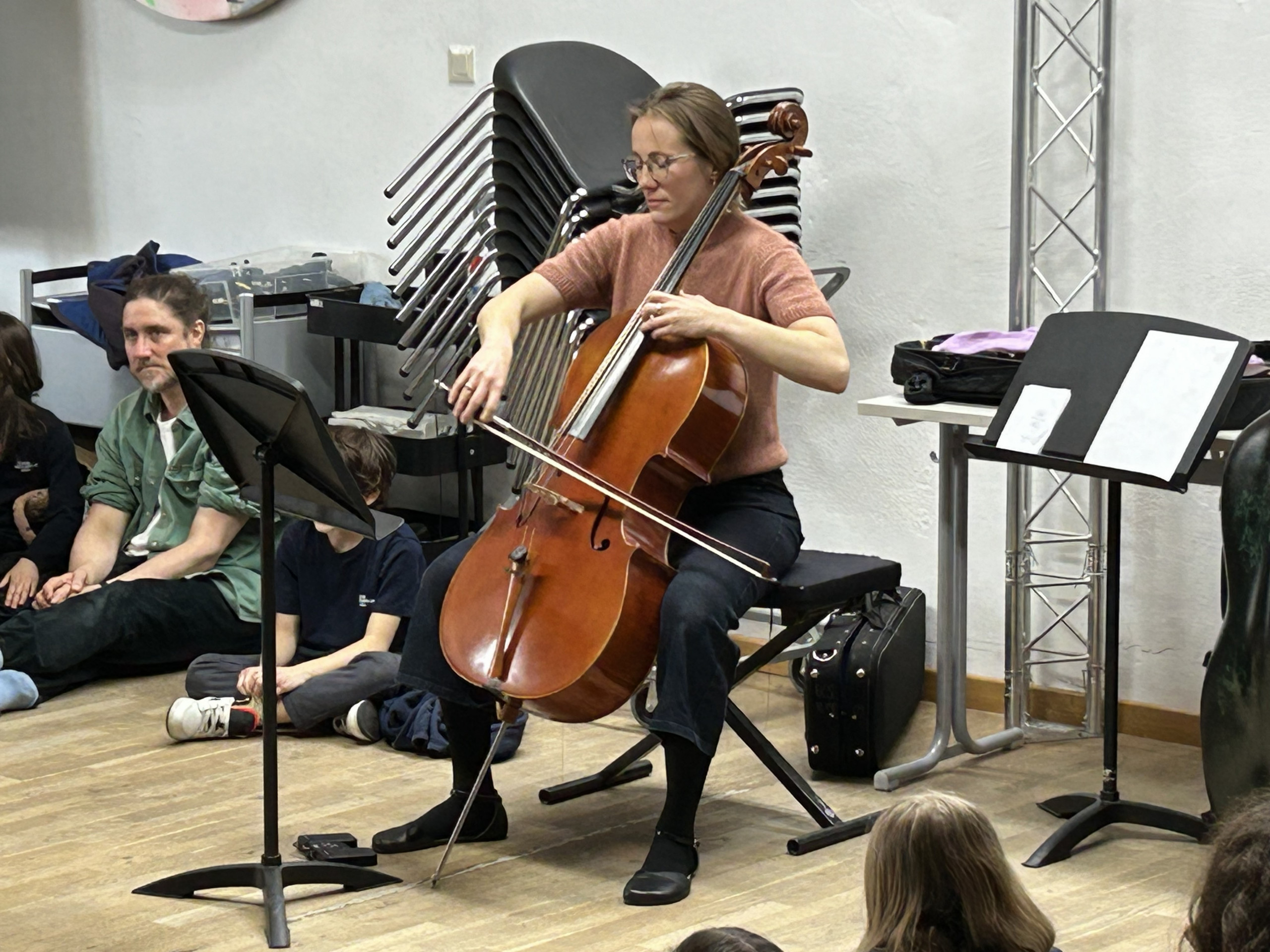
Sometimes it sounds like a cello rediscovering forgotten voices.
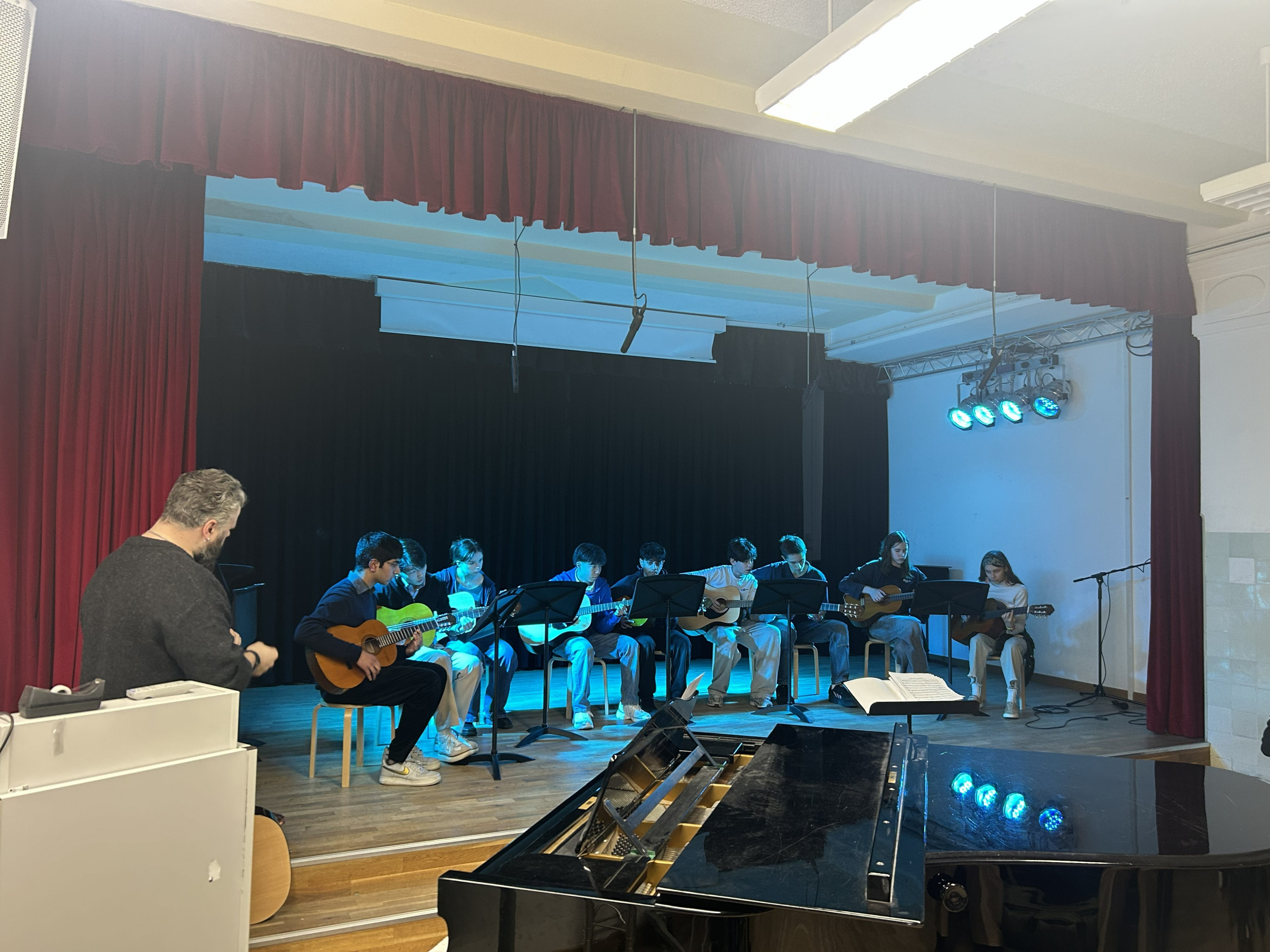
Sometimes like a guitar echoing memories from Madrid.
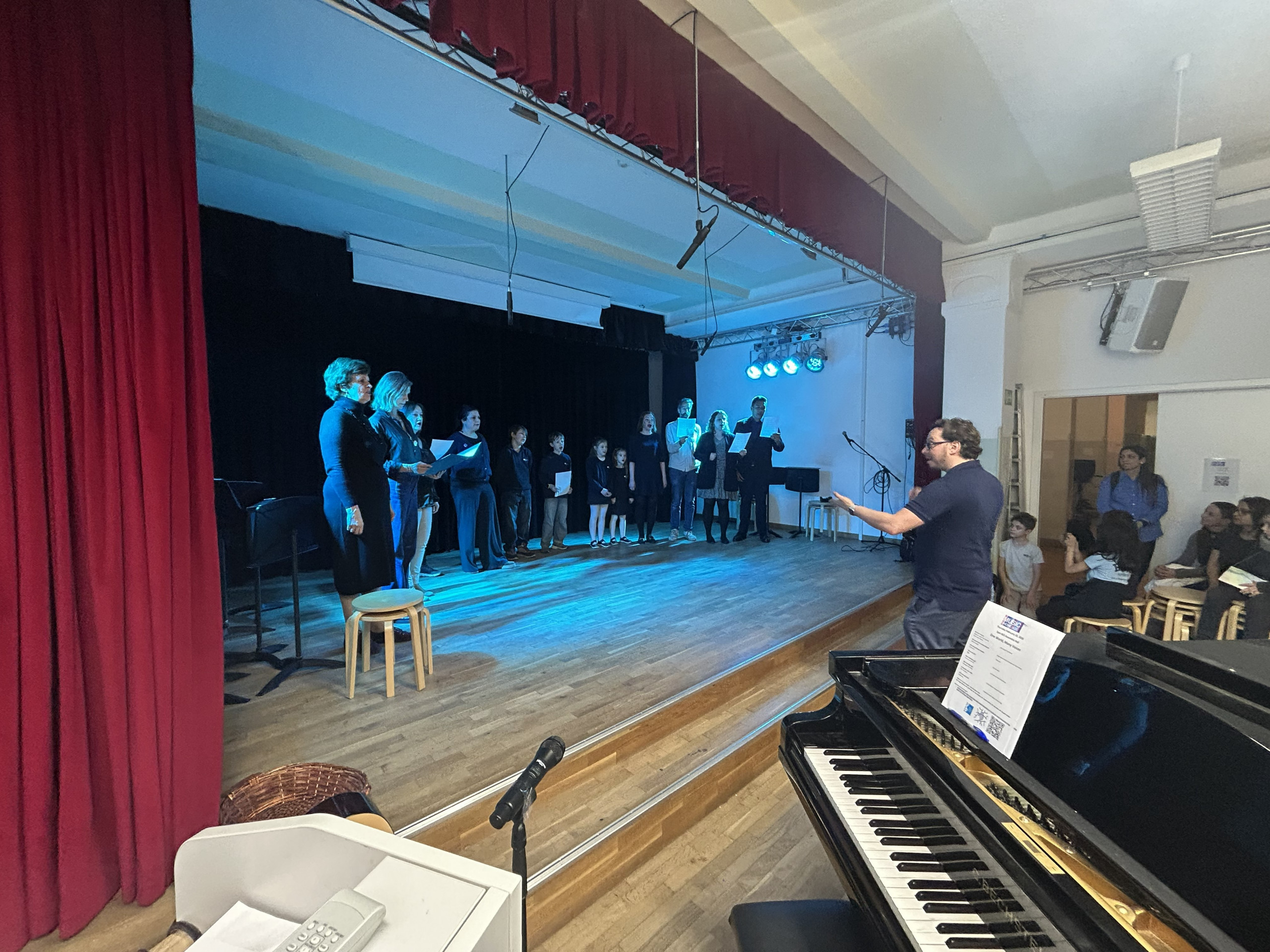
Sometimes like a choir singing in Zulu — and an entire audience joining in.
Over the past weeks, the Berlin Cosmopolitan School has once again shown that music and visual arts are not extras in education.
They are essential ways of understanding the world.
One World, Many Voices: Music as Global Education
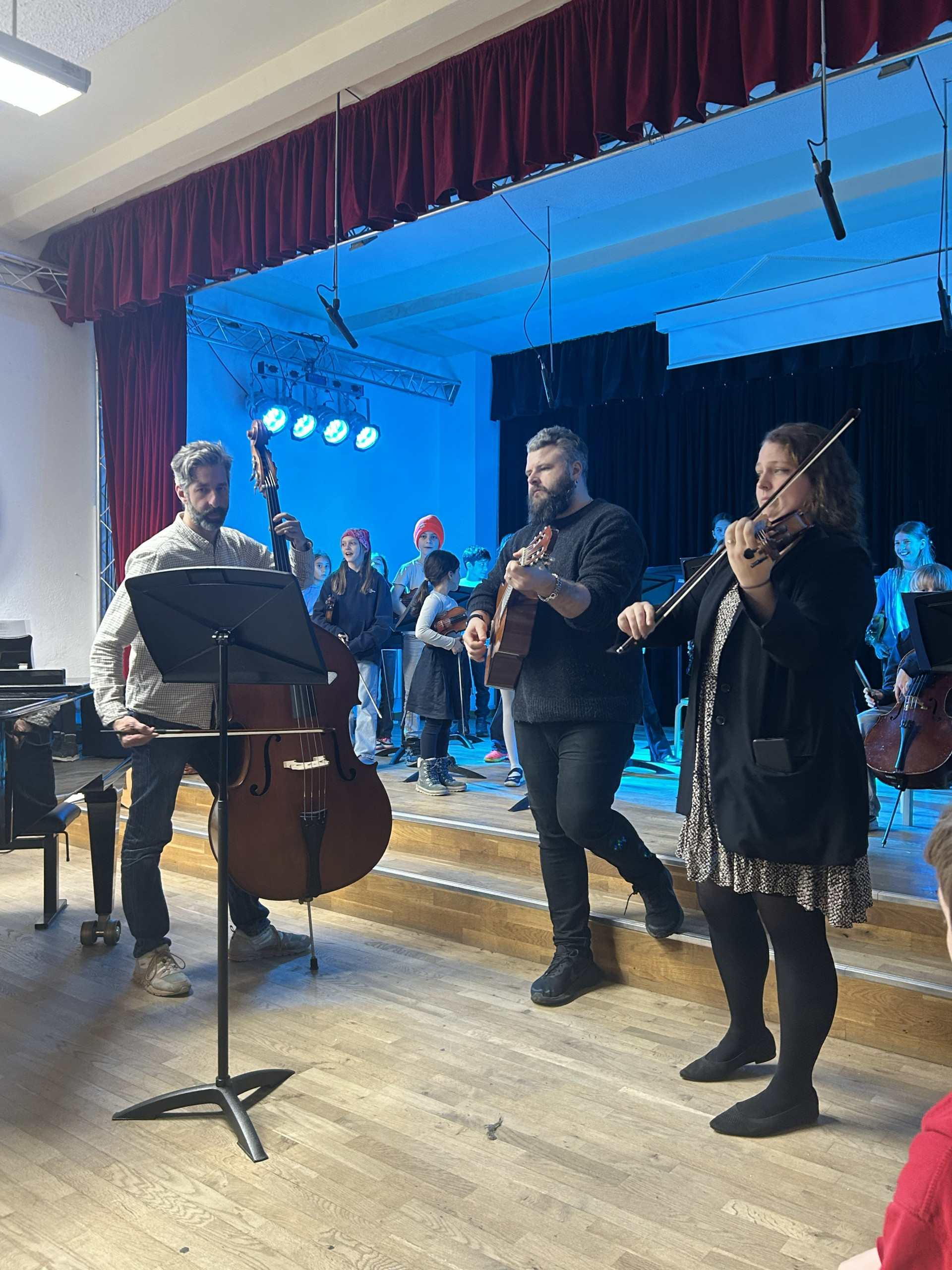
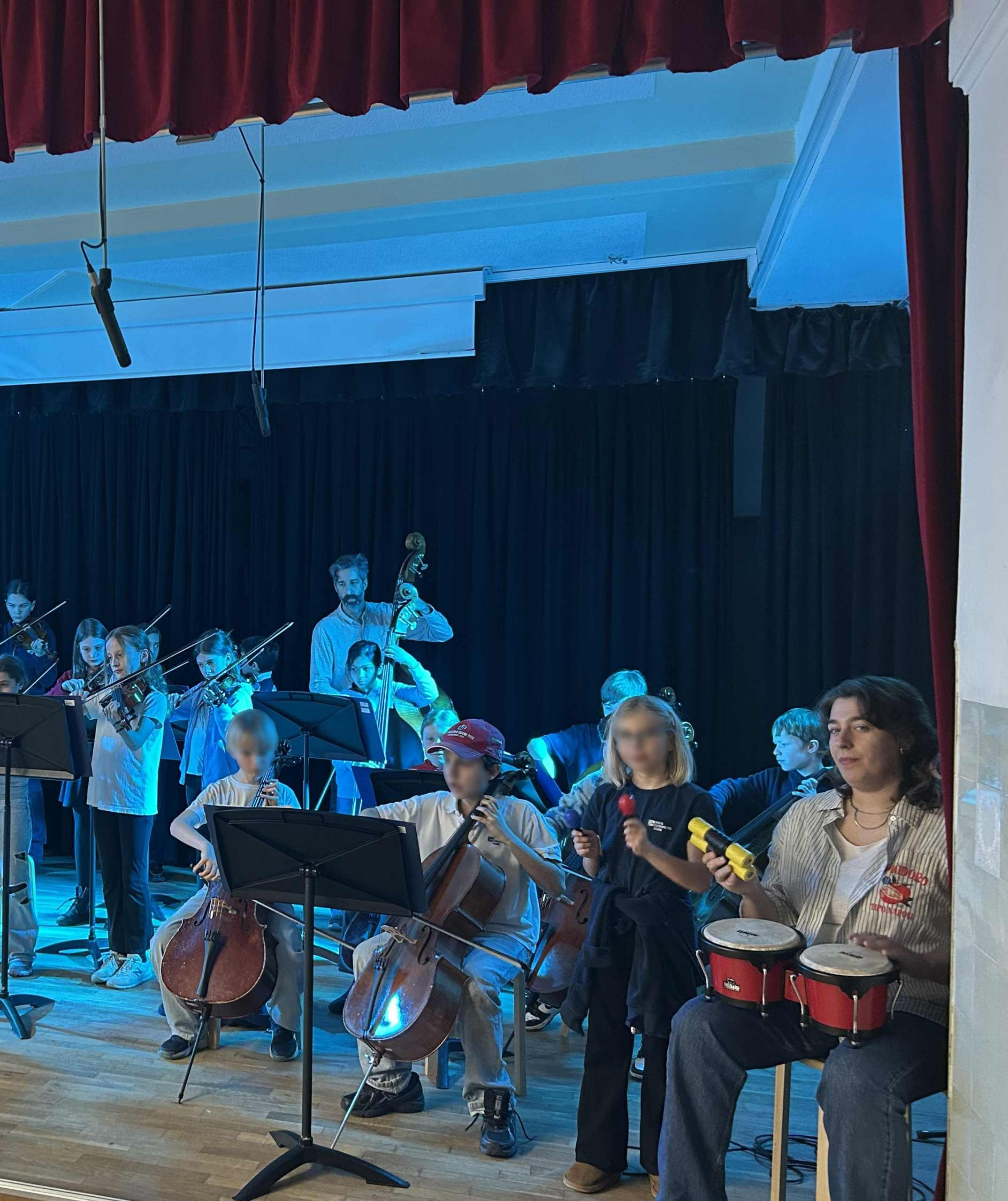
Our recent World Music Concert carried a message that could not be more fitting for an international school: One World, Many Voices.
The evening opened with a moving tribute. Three colleagues performed a piece of Irish music in memory of Tom Fanore, who for many years shaped this very concert. His spirit — and his love for music — was felt throughout the hall. From there, the audience travelled across cultures and continents.
Orchestra Brio, directed by Bridget Kinneary with support from Chrysanthi Gerogiannaki and Benjamin Salsbury, filled the hall with the joyful rhythms of Mango and Marmelade. The Advanced Guitar Ensemble, led by Joey Ryan, performed a Spanish piece they had learned during their recent trip to Madrid — music as a living extension of real experience. Grade 7 students explored unfamiliar musical cultures, with Yalo presenting an original composition inspired by historical Indian themes.
There were also powerful individual moments: Nike’s quietly brilliant performance of The Fool on the Hill, Alma’s reflective guitar solo, and senior student Konstantin’s final performance for a BCS audience — choosing music over a driving lesson. The concert ended with something that captured the spirit of BCS perfectly: the newly founded Community Choir, led by Douglas Weber, performing a South African song in Zulu that gradually turned into a joyful sing-along. Music became a shared language.
International Women’s Day: Rediscovering Female Voices
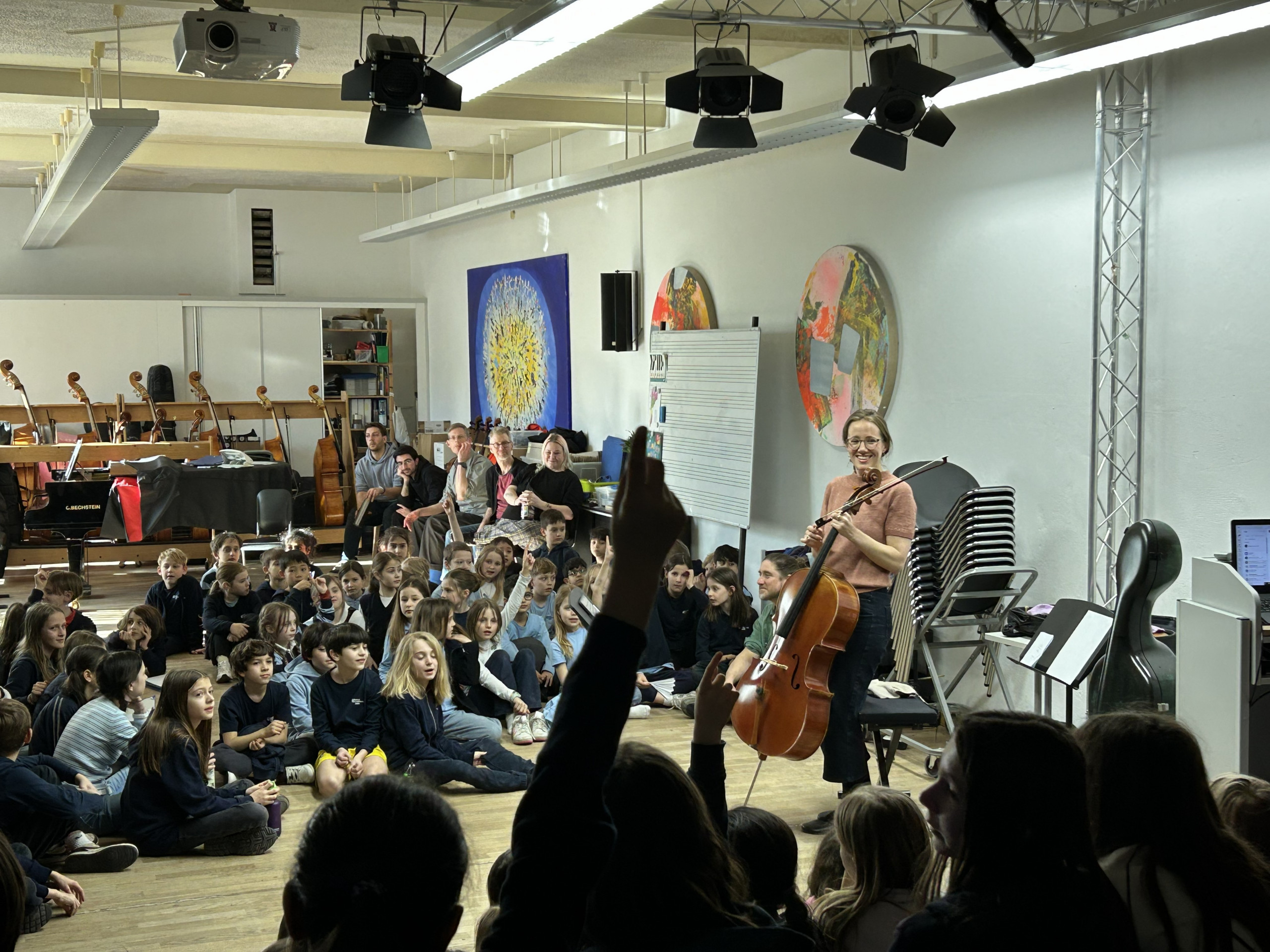
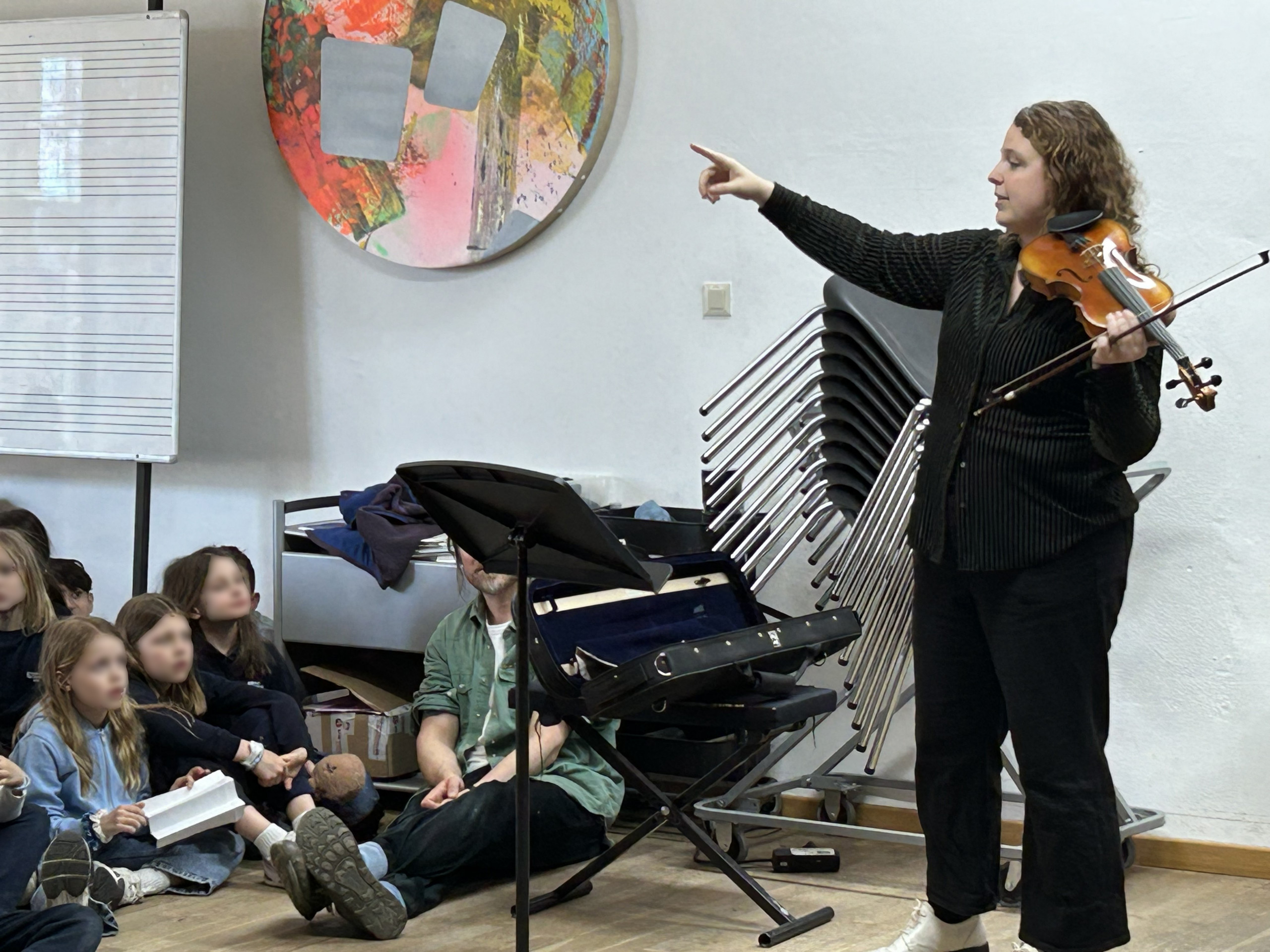
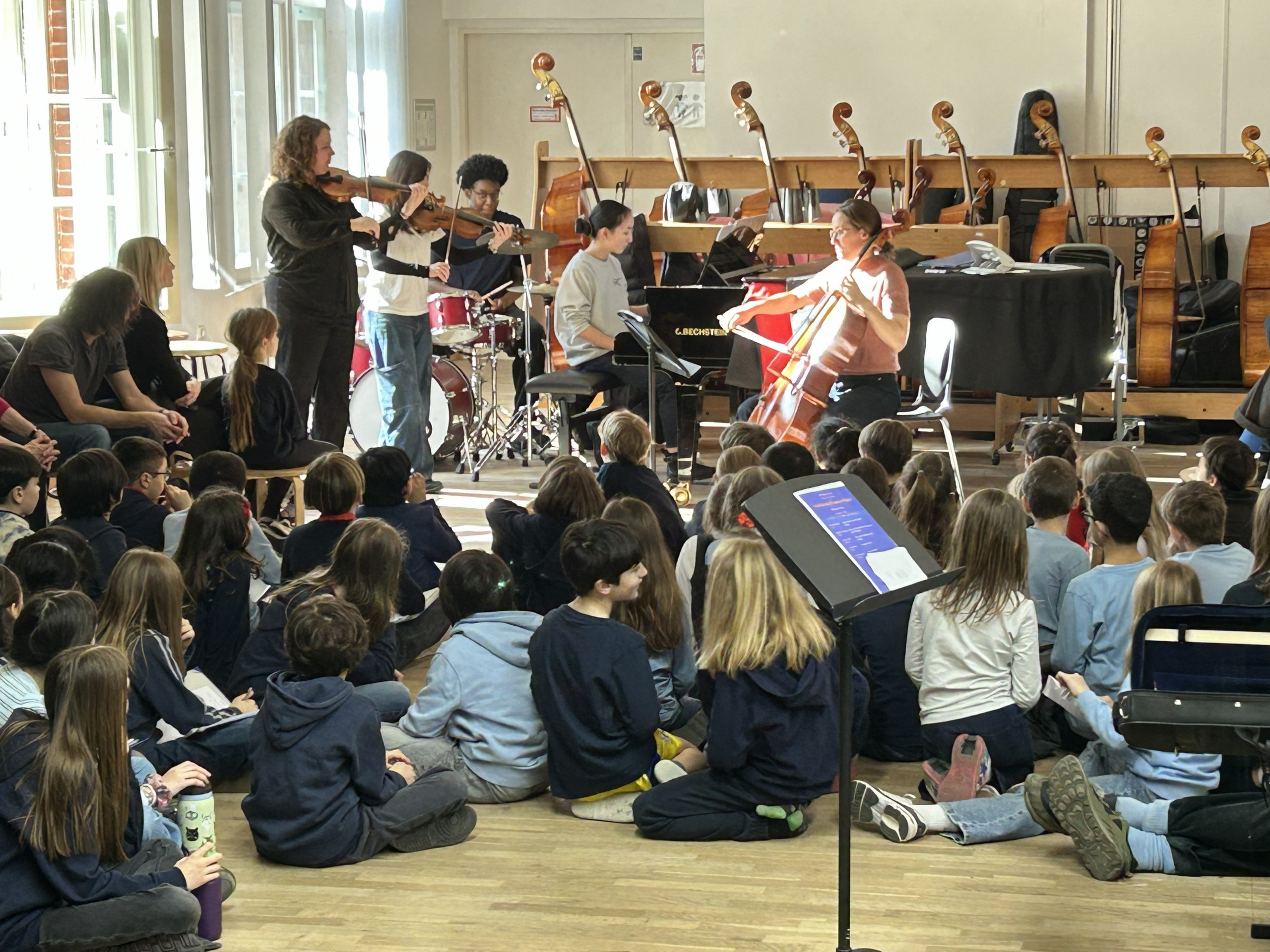
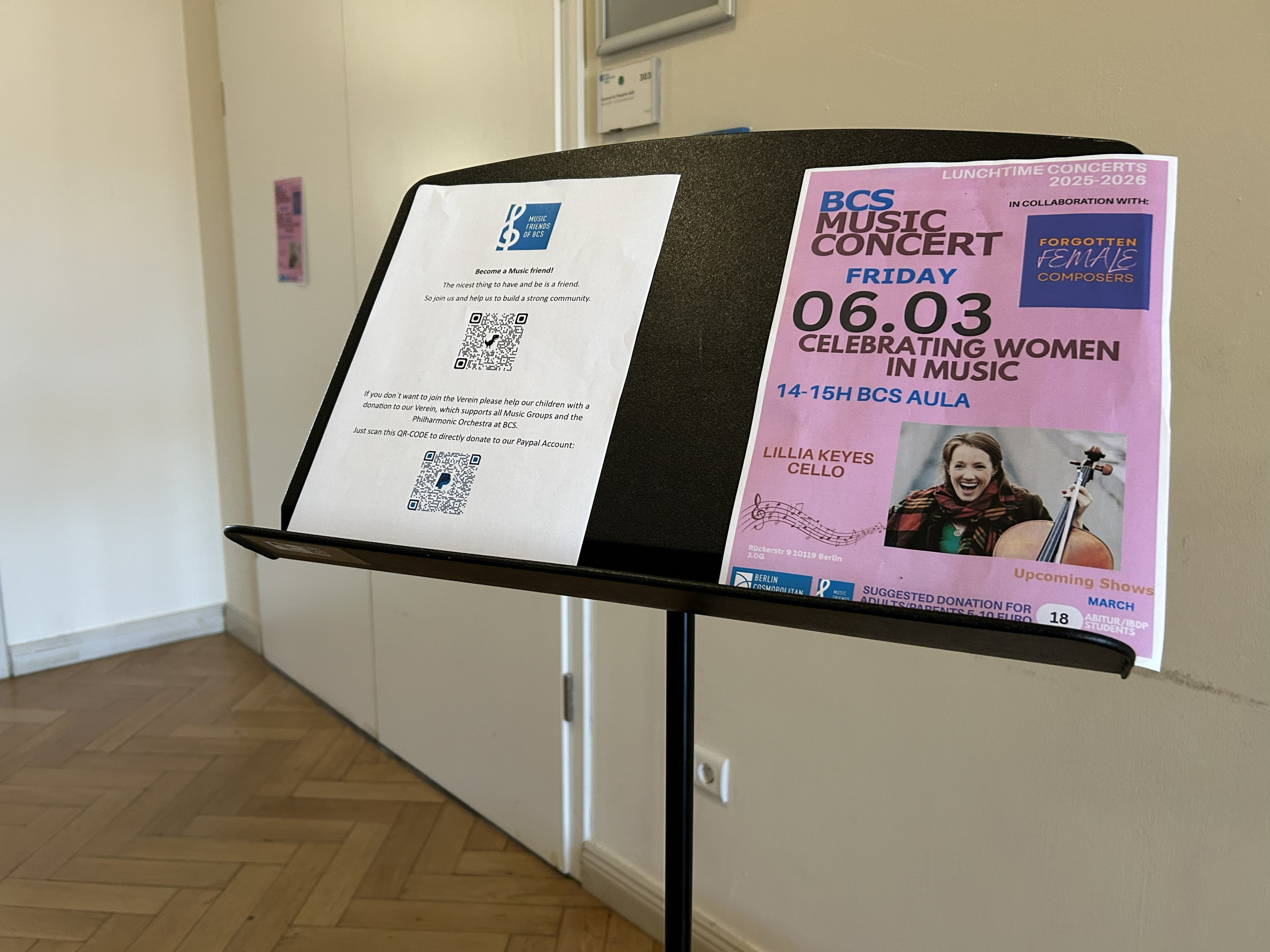
Music also took center stage in the days leading up to International Women’s Day, when cellist Lillia Keyes performed works by composers whose music history had long overlooked. The lunchtime concert, organised in collaboration with Forgotten Female Composers, was both a performance and a reminder: cultural history is still being rediscovered. The most memorable moment came when Lillia asked the students: “Who here plays an instrument?”
Almost every hand in the room went up. At BCS, that is no coincidence. Music has always been a central part of education — a way for students to explore identity, creativity and cultural understanding. The concert also featured an original composition by Oana, a Grade 10 student who is not only interpreting music but creating it.
Seeing the World Through Art
Creativity at BCS is not limited to sound.
The BCS 12th Grade Art Exhibition, part of the IB Diploma Programme Visual Arts exam, once again transformed the school into a gallery of ideas and perspectives.
Works such as “The Torso” by Kayleigh and “Social Grins” by Antoine Vallier demonstrate the depth and individuality with which students engage with artistic expression.
For the students, the exhibition is more than an exam requirement. It is the moment when two years of artistic exploration culminate in a public presentation of their personal voice.
Why Arts Education Shapes Global Citizens
Why does this matter?
Because music and art change how young people perceive the world. Students who perform, compose, paint or exhibit their work learn skills that extend far beyond the classroom: creativity, empathy, cultural awareness and the courage to express ideas. These are the skills that shape global citizens.
At Berlin Cosmopolitan School, the arts have always been part of this vision. They teach students not only to understand the world — but to interpret it, question it and contribute to it.
Sometimes through words.
Sometimes through sound.
And sometimes through a painting on a gallery wall.
