In Goethe’s Footsteps: Between Longing, Turmoil, and Self-Discovery – Grade 11 in Weimar
There are places that are more than just destinations on a map. Places that open an inner space of resonance — especially for young people who are beginning to question themselves and the world around them more consciously. Weimar is one of those places.
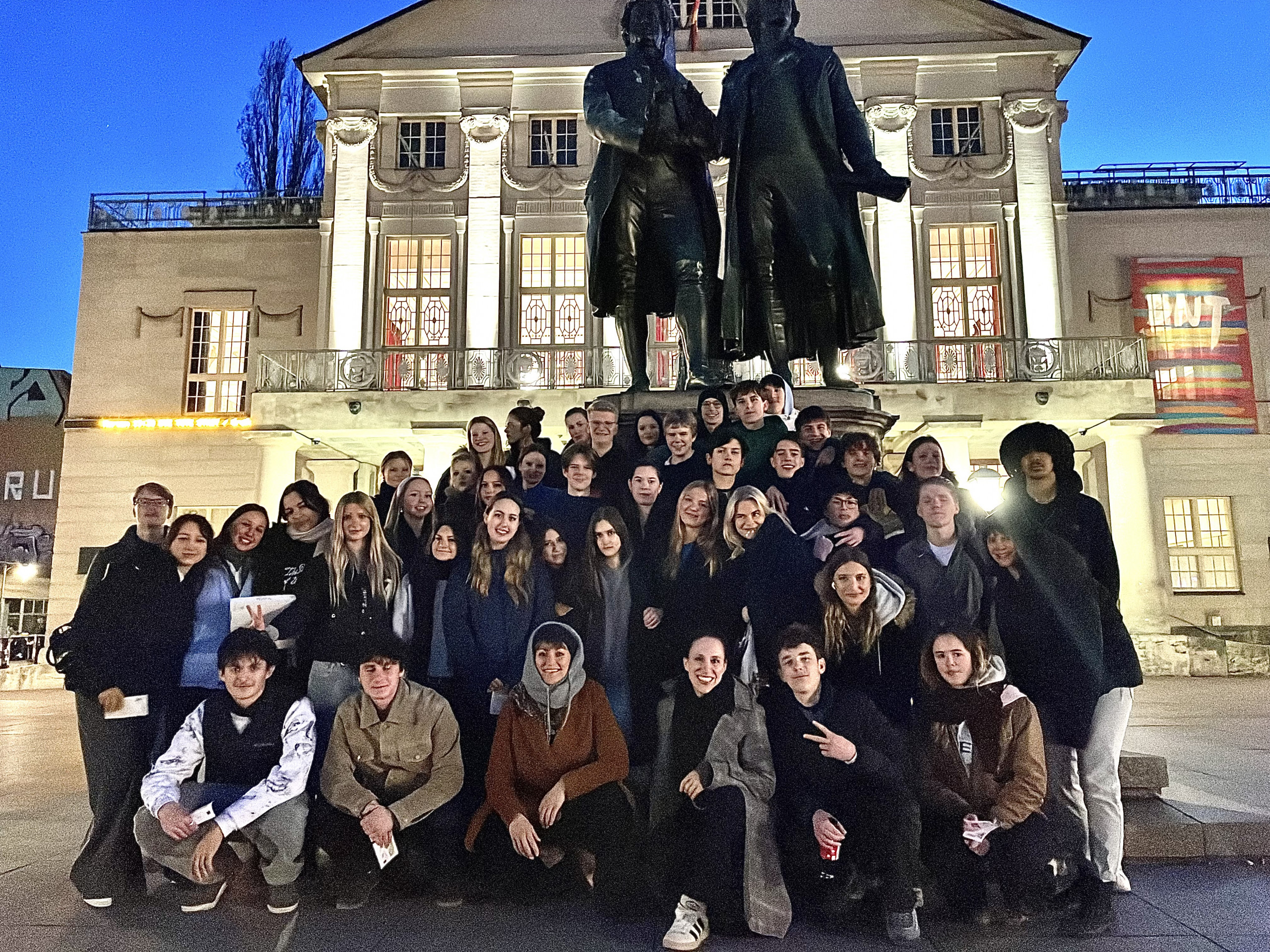
For the Abitur German course and the DP (Diploma Programme) in Grade 11 at Berlin Cosmopolitan School, the excursion on March 26 and 27, 2026 became exactly that kind of experience: an encounter with literature that does not remain in the classroom, but continues to resonate in one’s own thoughts.
When the Weather Outside Meets the Questions Within
Rain, sunshine, hail — the weather was as changeable as the themes the students explored.
It almost seemed as if the atmosphere reflected the inner movement that great literature can evoke: a constant shifting between clarity and doubt, between new beginnings and the search for direction.
Literature Becomes Tangible
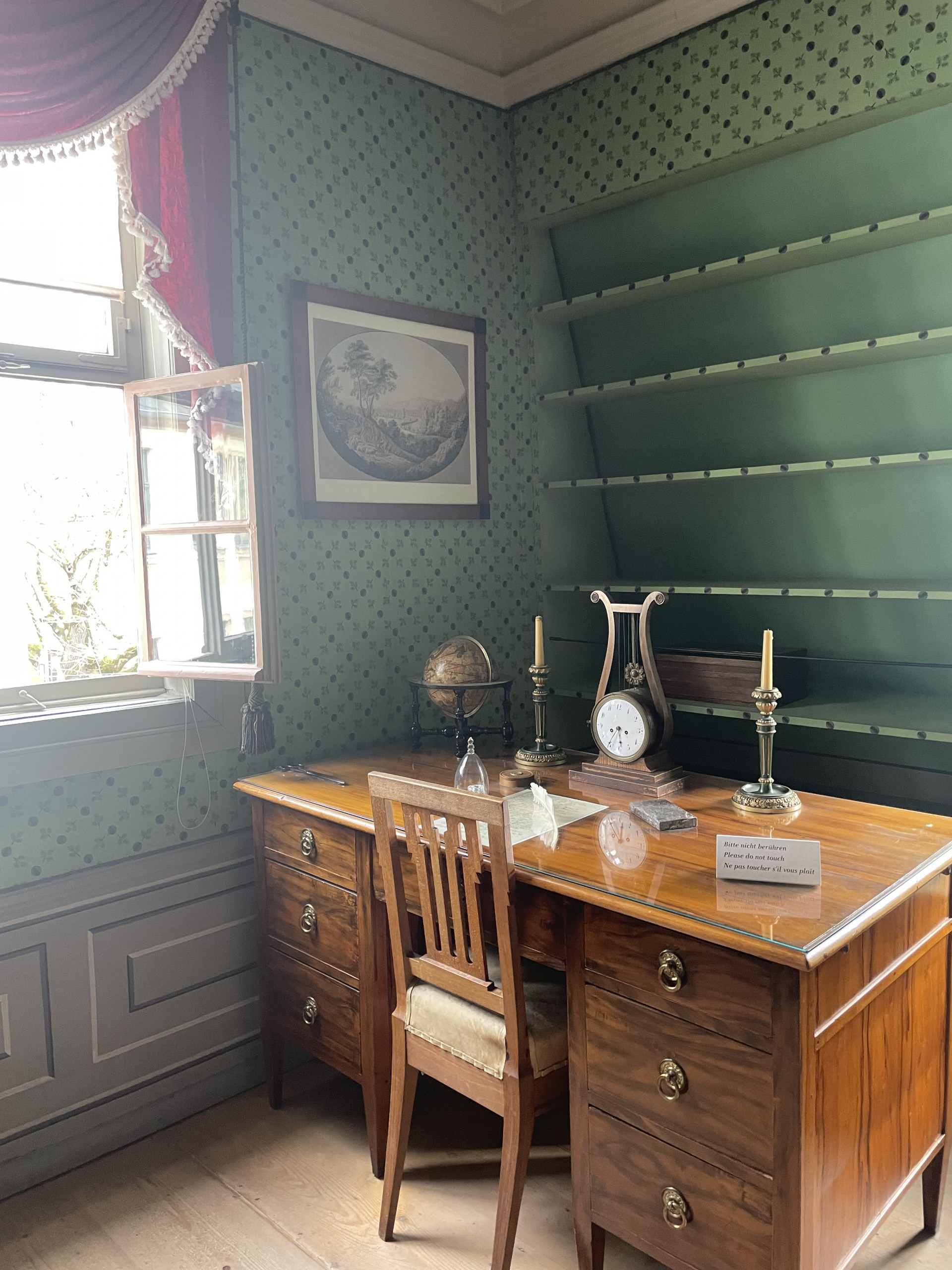
In the houses of Johann Wolfgang von Goethe and Friedrich Schiller, it became clear that literature always grows out of real lives and lived experience.
Spaces where people thought, wrote, and discarded ideas open up a kind of understanding that goes far beyond reading alone.
For the students, one thing became especially tangible: great ideas do not emerge in abstraction, but in life itself.
Faust: The Search as a Guiding Principle
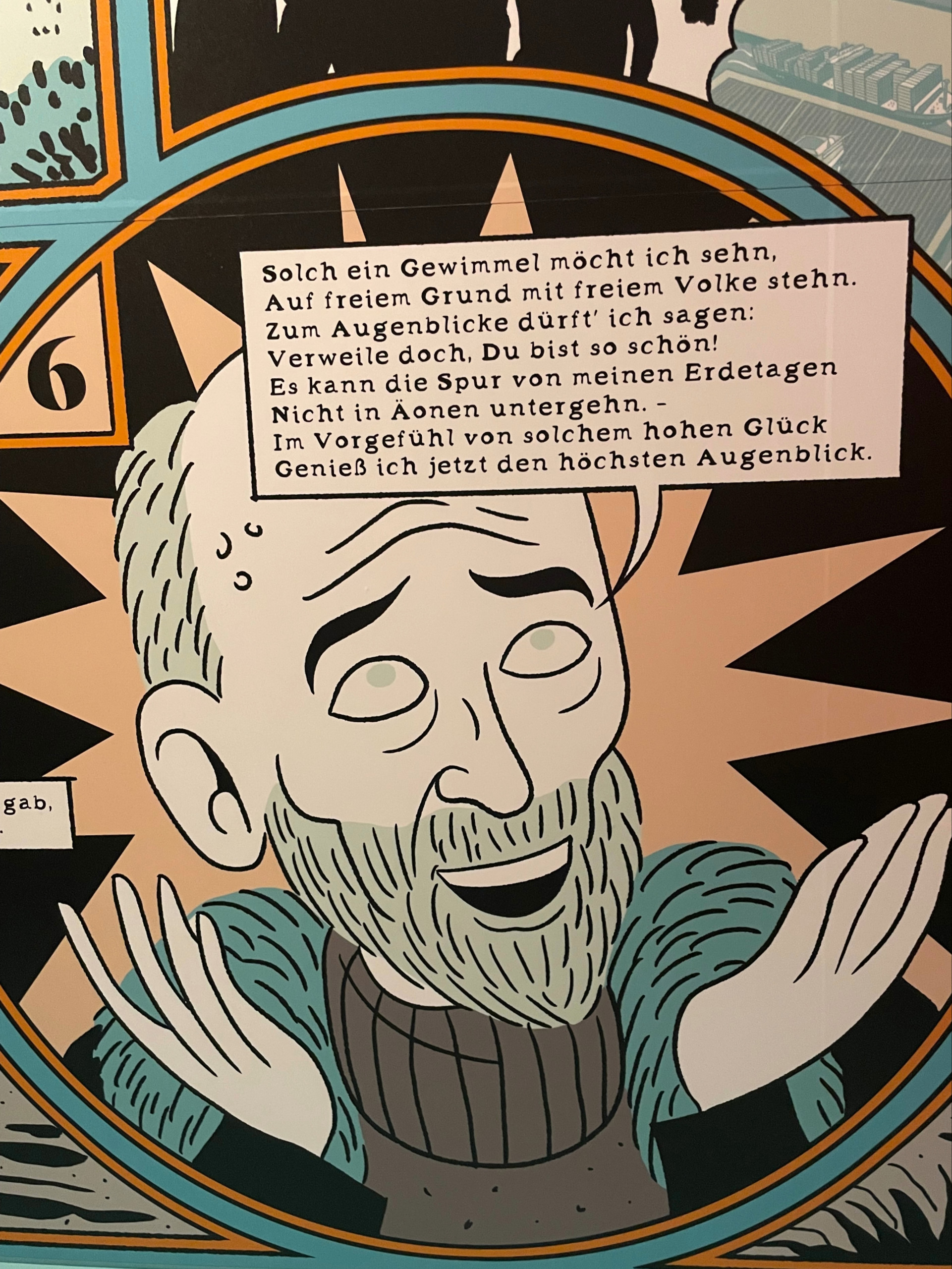
This experience deepened further with the visit to the exhibition on Faust. Part One and Part Two of the Tragedy.
The focus was not only on analysing motifs, characters, and language, but also on the central question that still makes Faust so relevant today: the human being’s endless striving for knowledge — and the limits of that striving.
Especially in view of their own performance on April 30, it became clear how powerfully literature invites reflection on one’s own thinking and actions.
Werther: Identity in Tension
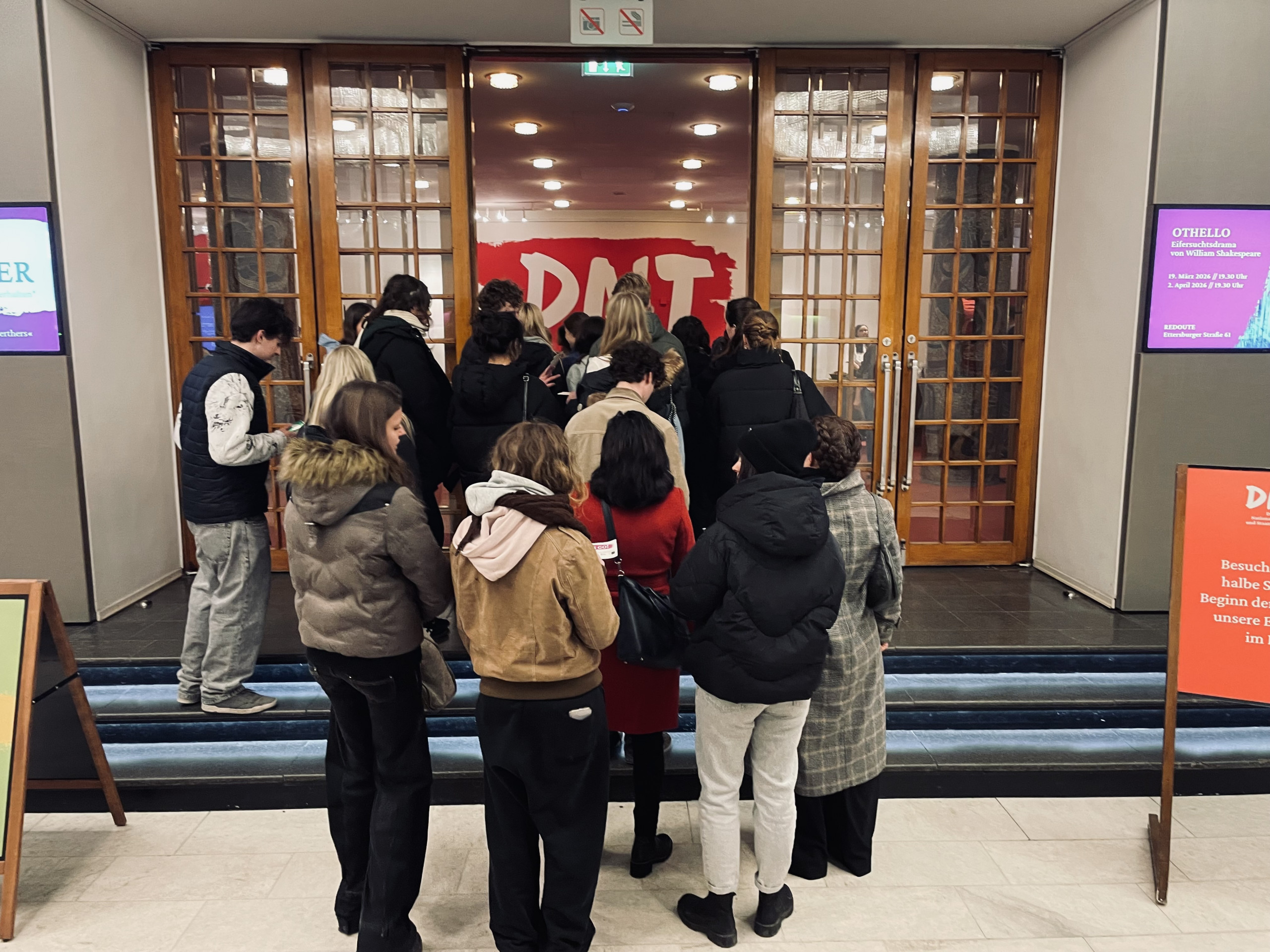
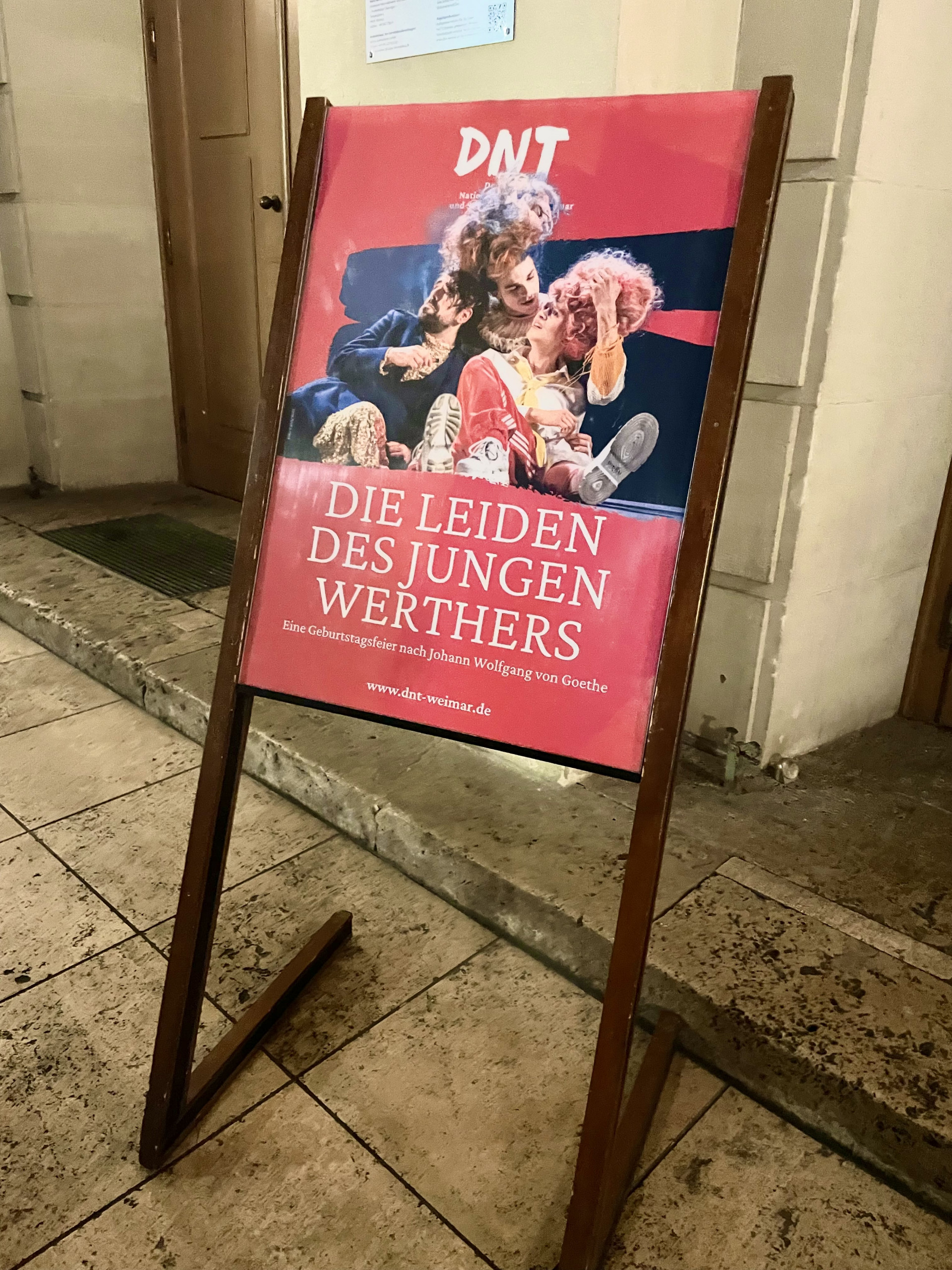
In the evening, the theatre visit to The Sorrows of Young Werther continued this exploration and translated it into a surprisingly modern visual language.
250 years after its creation, the work was transformed into a vivid, musically shaped production that deliberately played with contrasts.
At its centre stood Werther as a figure in search of himself — caught between longing, intensity, and the desire to belong.
For young people in particular, one insight became tangible here: identity is not a fixed state, but a process.
Community and New Perspectives
A special aspect of this excursion was also the coming together of the two German courses.
Through this shared experience, a strong sense of connection emerged — an exchange that went beyond the classroom and brought the students together on a personal level as well.
At the same time, a tension ran through the entire trip: the contrast between historical and contemporary contexts. Between the original spaces of Weimar Classicism and modern productions, a dialogue unfolded across time.
Literature appeared not as something finished, but as something that can be revisited and reinterpreted again and again.
Education as Relationship
What made this excursion so special was not only the programme, but the quality of the experience itself.
When students encounter literature in spaces shaped by history, and at the same time see it reimagined in performances created for the present, a connection emerges that leaves a lasting impression.
At Berlin Cosmopolitan School, this is exactly how we understand education: as a relationship — between text and life, between past and present, between knowledge and personal growth.
More Than an Excursion
Weimar does not remain simply a place one visits. It is a place that asks questions.
And perhaps that is precisely one of the most valuable things education can do: to open spaces in which young people begin to search for their own answers.
Wenn du willst, halte ich ab jetzt genau dieses Niveau: wenige, gezielte Fettungen pro Text.
