Cultivating Curiosity – Kath Murdoch Inspires BCS Teachers During Professional Day

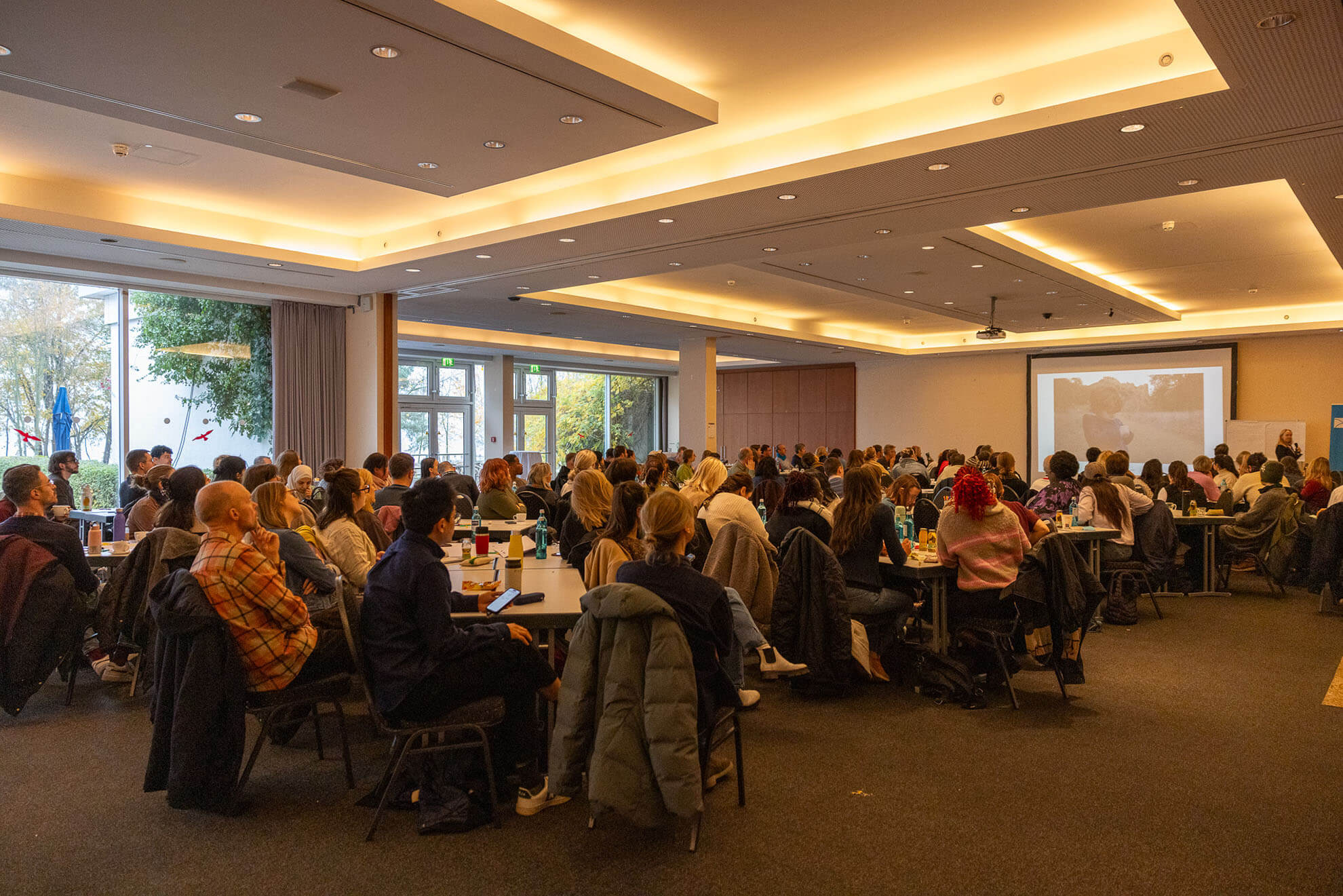
On the Berlin Cosmopolitan School Professional Day, the entire teaching community — from Kindergarten and Hort to Primary and Secondary — came together to explore one essential question: How can we strengthen competencies for lifelong learning?
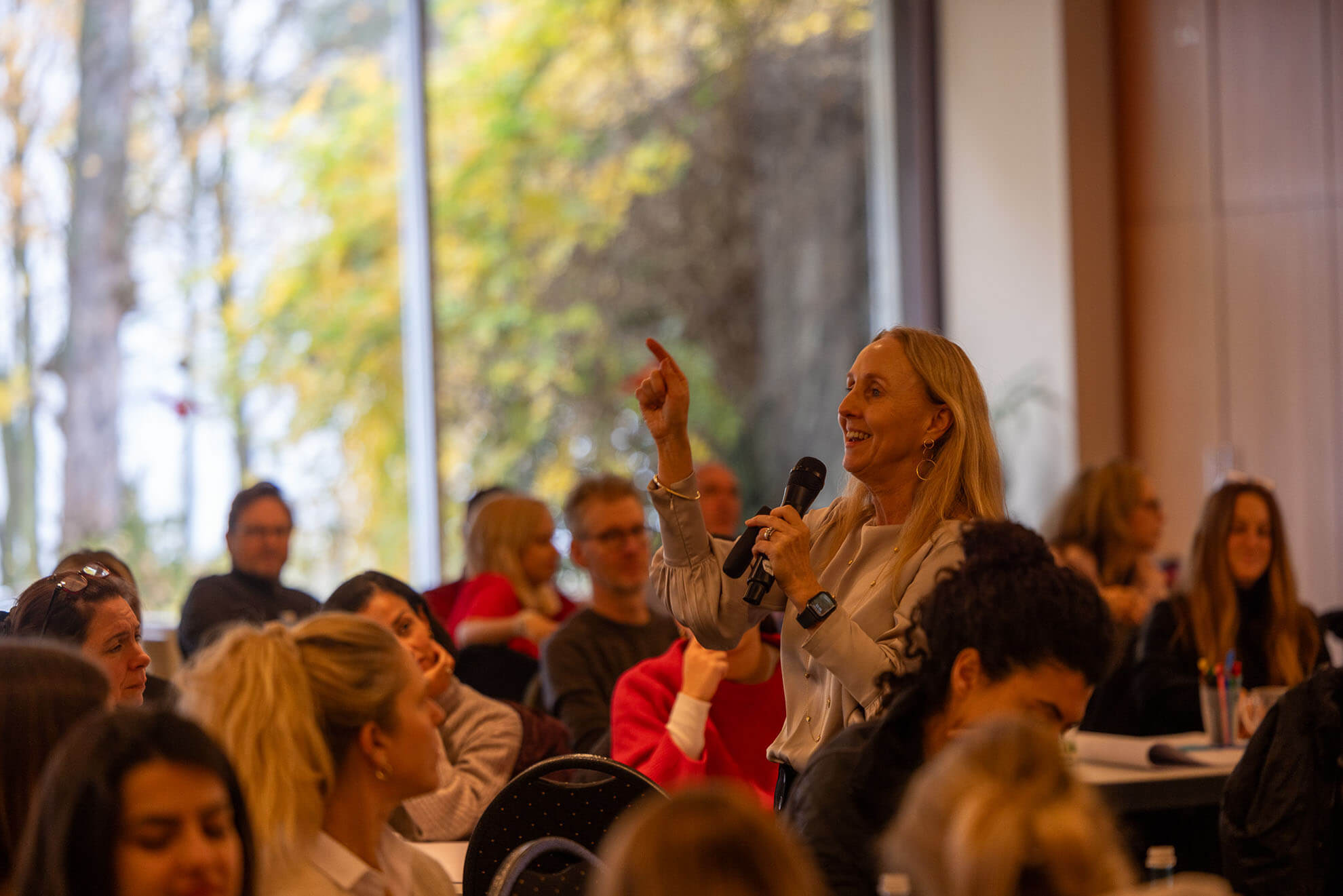
After a warm welcome by the School Founder Yvonne Wende, educators were introduced to the ideas of Kath Murdoch, one of the world’s leading experts in Inquiry Learning. In her keynote session, titled “Strengthening Competencies for Learning,” Kath encouraged teachers to focus on developing key learning assets such as self-management, thinking, collaboration, communication, contribution, and research.
“Perhaps the most important competency is curiosity,”
“Perhaps the most important competency is curiosity,” Kath emphasized during her talk. “Students need to be relentlessly curious — about themselves, about others, and about the world around them. Curiosity fuels learning. And to cultivate this intentionally, teachers themselves must also be curious. Students become what they see.”
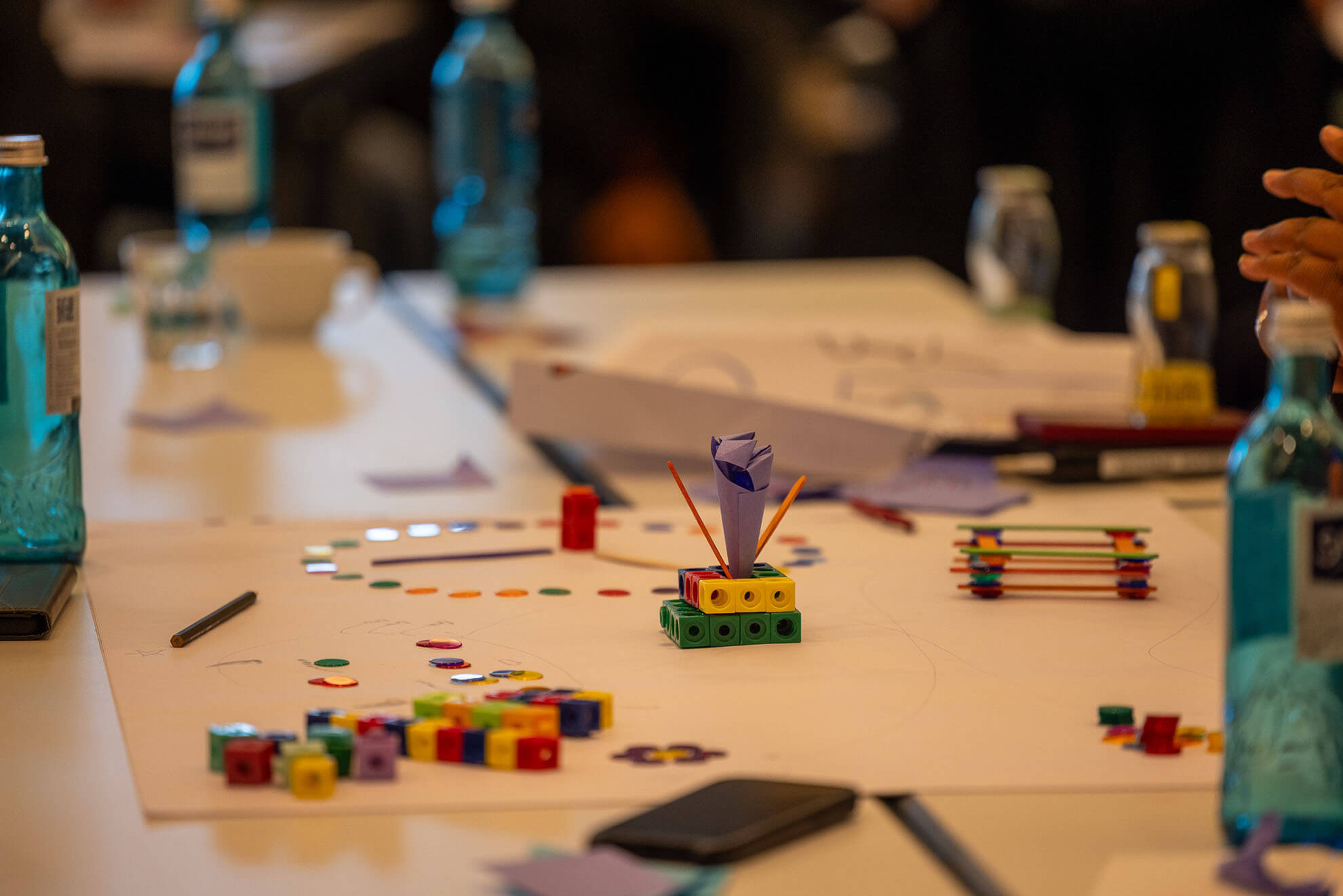
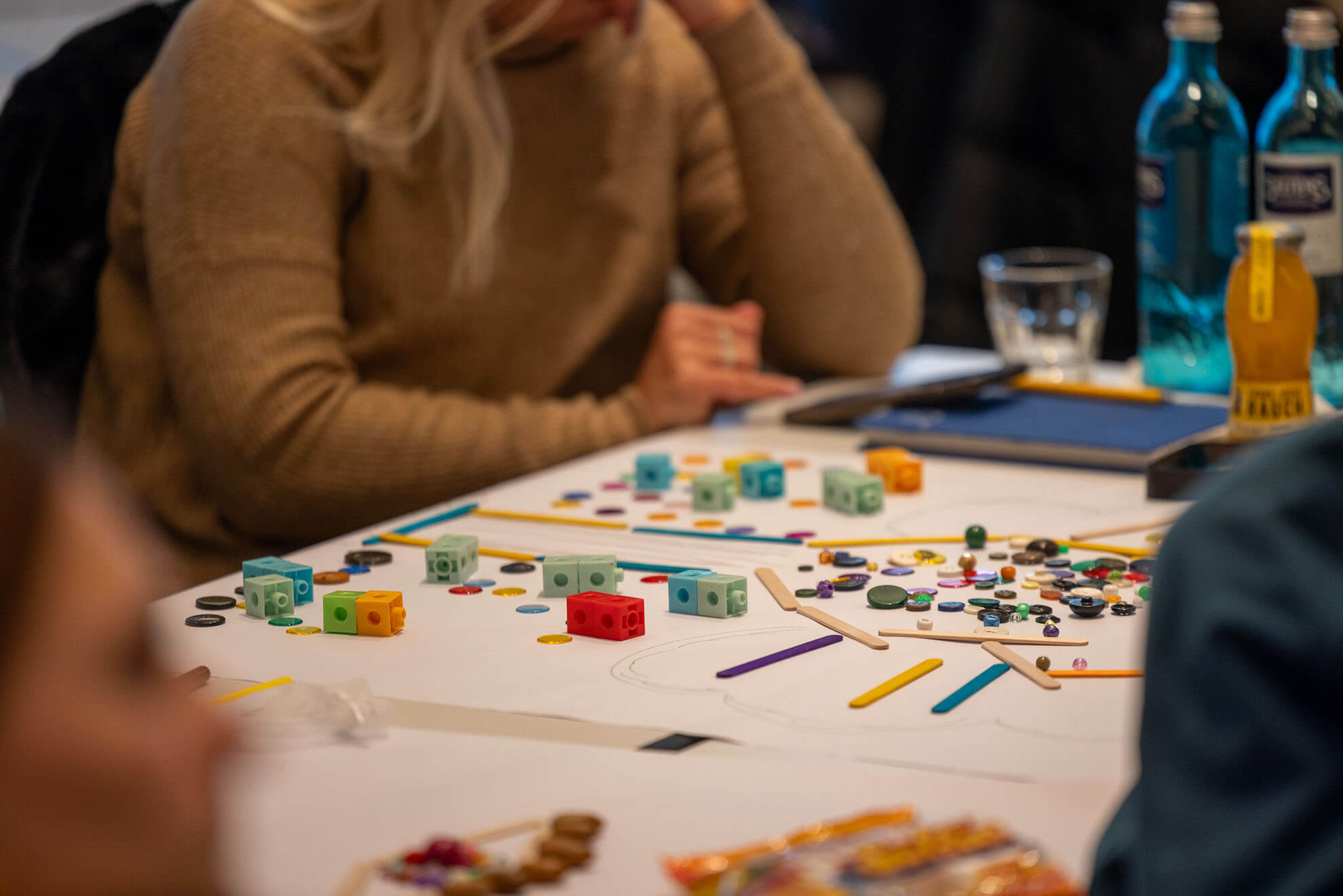
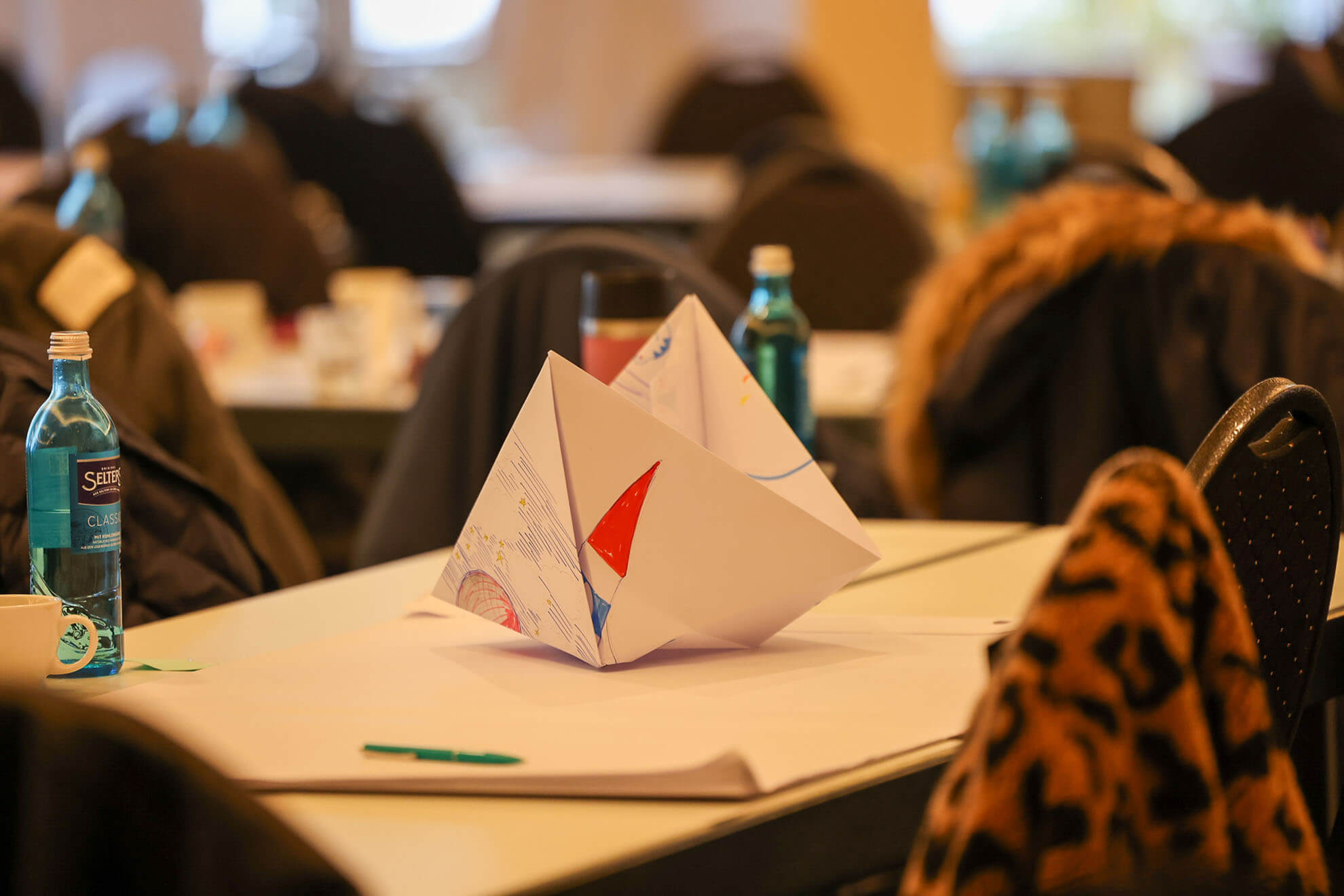
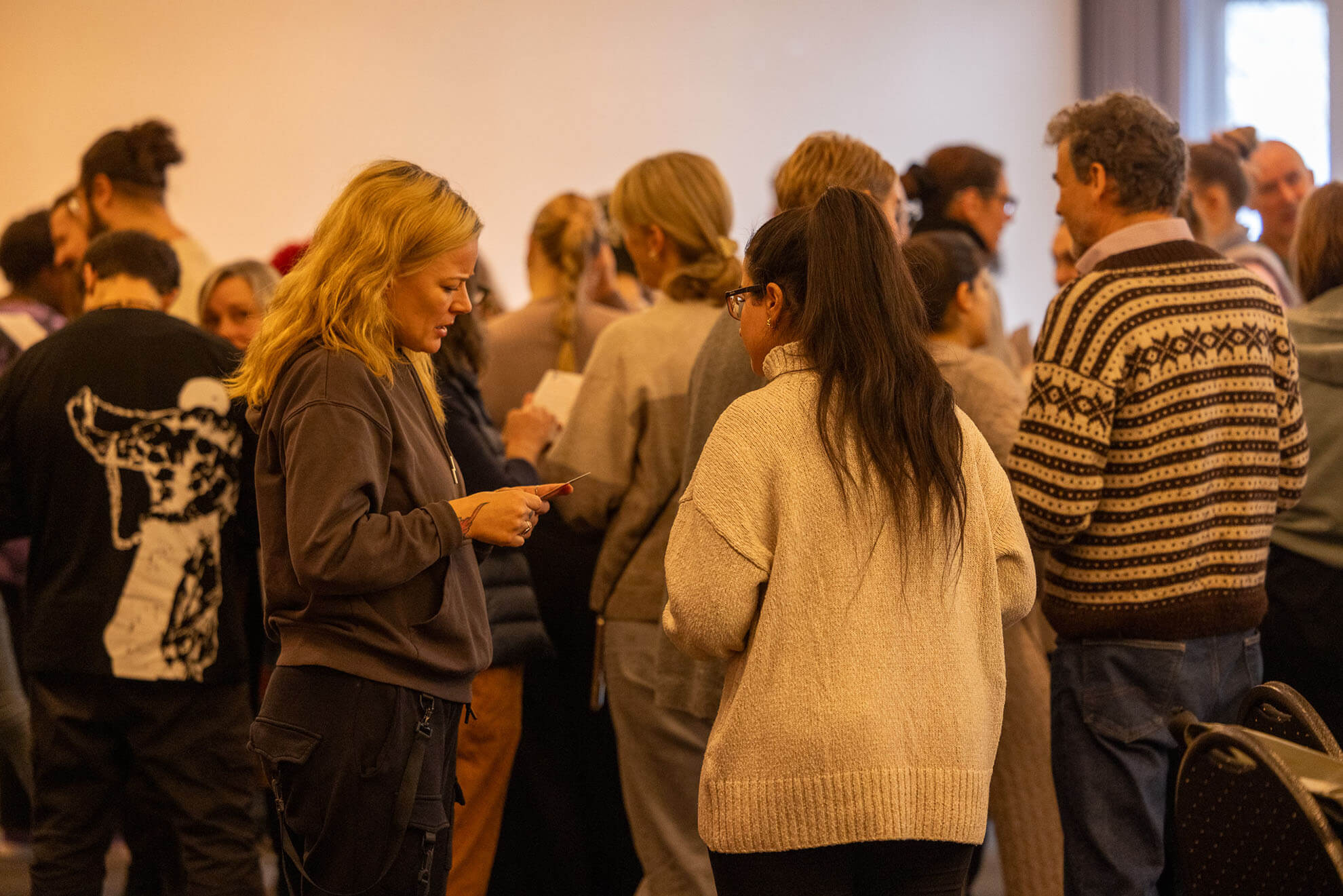
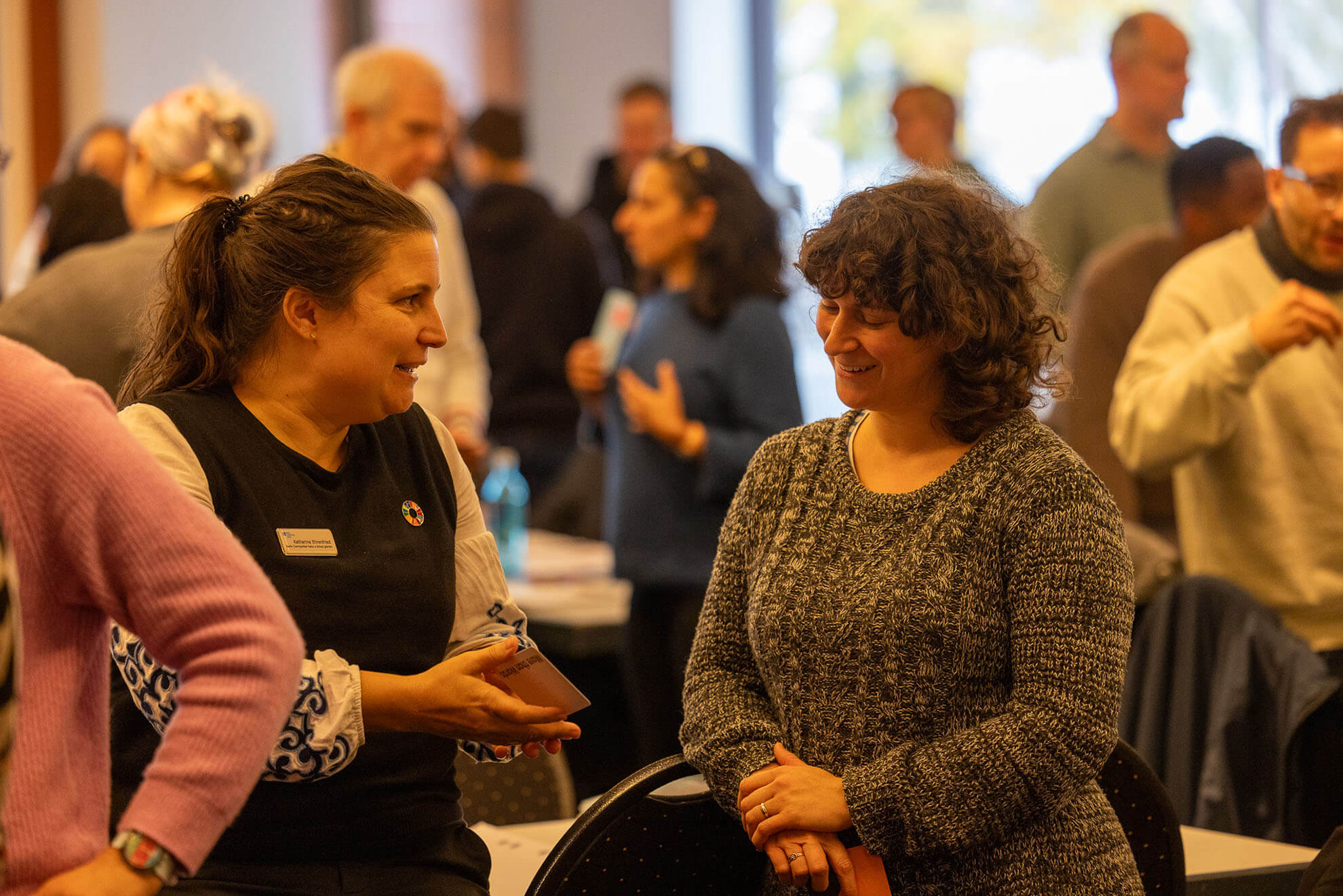
Following the keynote, while the Secondary team continued with their own program, Kindergarten, Hort, and Primary teachers delved deeper into Kath’s expertise in two hands-on workshops:
Designing powerful Units of Inquiry using a cycle of inquiry – focusing on K–8 education, and
Creating a culture of inquiry in the classroom – exploring how to cultivate curiosity, engage in deeper dialogue, strengthen questioning techniques, and create meaningful learning environments.
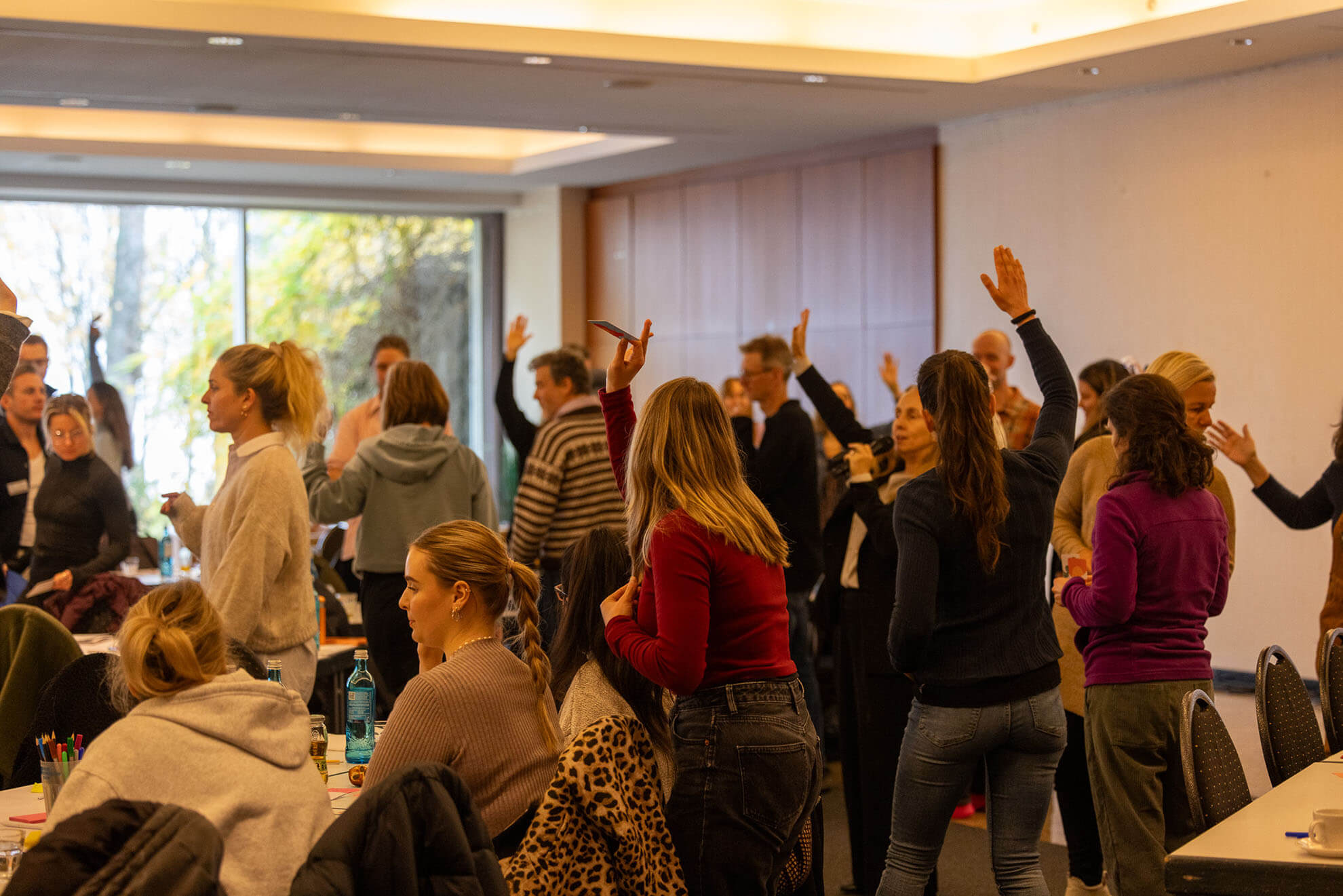
In her sessions, Kath dispelled common misconceptions about inquiry-based learning. “Inquiry is not a free-for-all,” she explained. “It’s a structured approach that gives students choices and agency within clear boundaries. You’ll see a lot of conversation, questioning, and active teaching — teachers working alongside learners rather than standing apart.”
When asked how teachers can recognize when students truly own their inquiries, Kath underlined the importance of balance:
“Inquiry doesn’t mean no guidance — teachers are always guiding. The art lies in knowing when to step in and when to step back. If we intervene too often, student agency doesn’t develop.”
Her insights resonated not only with educators but also with parents, as she pointed out:
“Parents, too, can nurture curiosity and independence by resisting the urge to solve every problem for their children. Don’t do for children what they can do for themselves.”
Reflecting on her career, Kath shared a formative memory from her early teaching years:
“When I brought nature into the classroom — hermit crabs, tadpoles, chickens hatching — students instantly became curious. Behavior improved, engagement deepened. The transformation was clear when learning connected to the natural world.”

At the end of the morning, Kath expressed her appreciation for the BCS teaching community:
“They’ve asked thoughtful questions and shown great enthusiasm. The fact that the school is located in such a natural environment says a lot about its values.”
Her visit not only inspired BCS educators to refine their approaches to inquiry-based teaching but also reinforced a shared belief that curiosity is the heartbeat of meaningful learning.
Thank you to Taurin Eimermacher and Katharina Ehrenfried who made this enriching encounter at Berlin Cosmopolitan Nature Campus possible.